
By Oriiz U Onuwaje
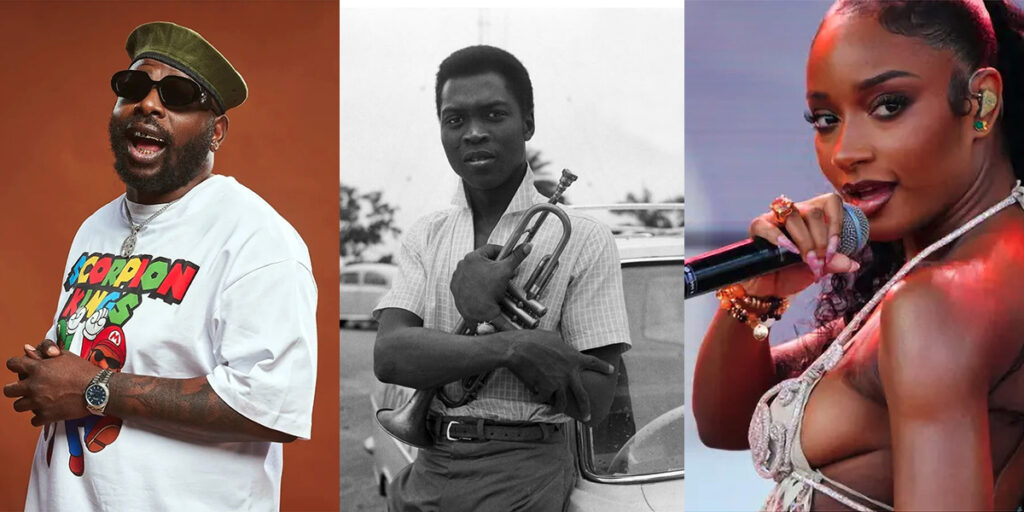
Oriiz writes that our sound is a tool for ‘community connection‘ that endured silence to become a global roar. When you hear @temsbaby’s soul or @ayrastarr’s confidence, you are hearing centuries of resilience repackaged for the future.
Introduction: The Architecture of Memory
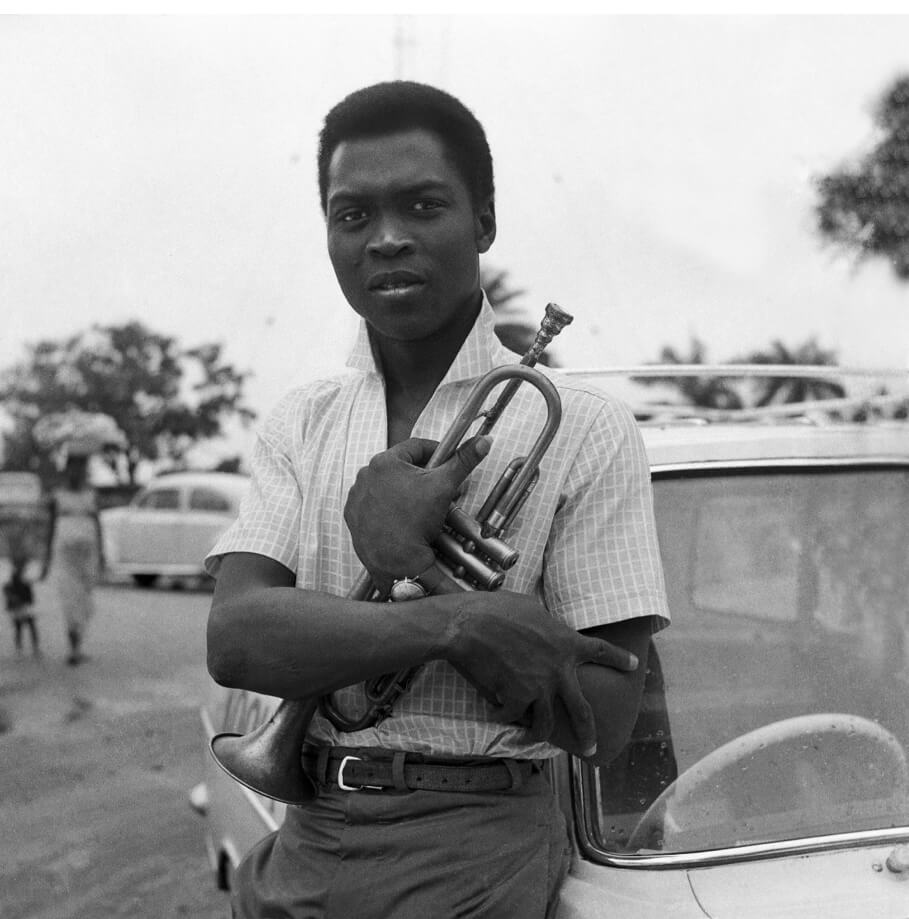
Fela Anikulapo Kuti (1938 – 1997)
Sound is Africa’s most enduring archive. While written histories can be burned, altered, colonised, or lost in the fires of conquest, sound, vibration, rhythm, and oral tradition remain etched in a people’s collective memory. It is a “spiritual conduit”, a way of saying “I am here” when the world tries to render you invisible.
This concept is what we call The Unbroken Thread. It is a lineage of resilience stretching from the ancient talking drums that communicated across villages in the precolonial era to the digital frequencies dominating global charts today. It is a mistake to view the current explosion of Afrobeats and Amapiano as merely a pop culture trend. In fact, it is the latest iteration of an ancient survival mechanism.

When discussing the roots of Afrobeats, we must honour Fela Anikulapo Kuti as its chief originator. Fela’s revolutionary spirit, fearless lyrics, and mastery of rhythm transformed Africa’s and the world’s soundscape. His creation was not merely a genre but a movement that fused traditional Yoruba music with jazz, highlife, and funk, becoming a powerful vehicle for social commentary and cultural pride. Today, when Burna Boy stands on stage and proclaims himself the “African Giant”, sampling Fela Kuti and channelling the energy of the shrine, he is not merely performing; he is accessing a deep auditory lineage. He is amplifying a frequency that has survived centuries of suppression, turning it into a global roar.
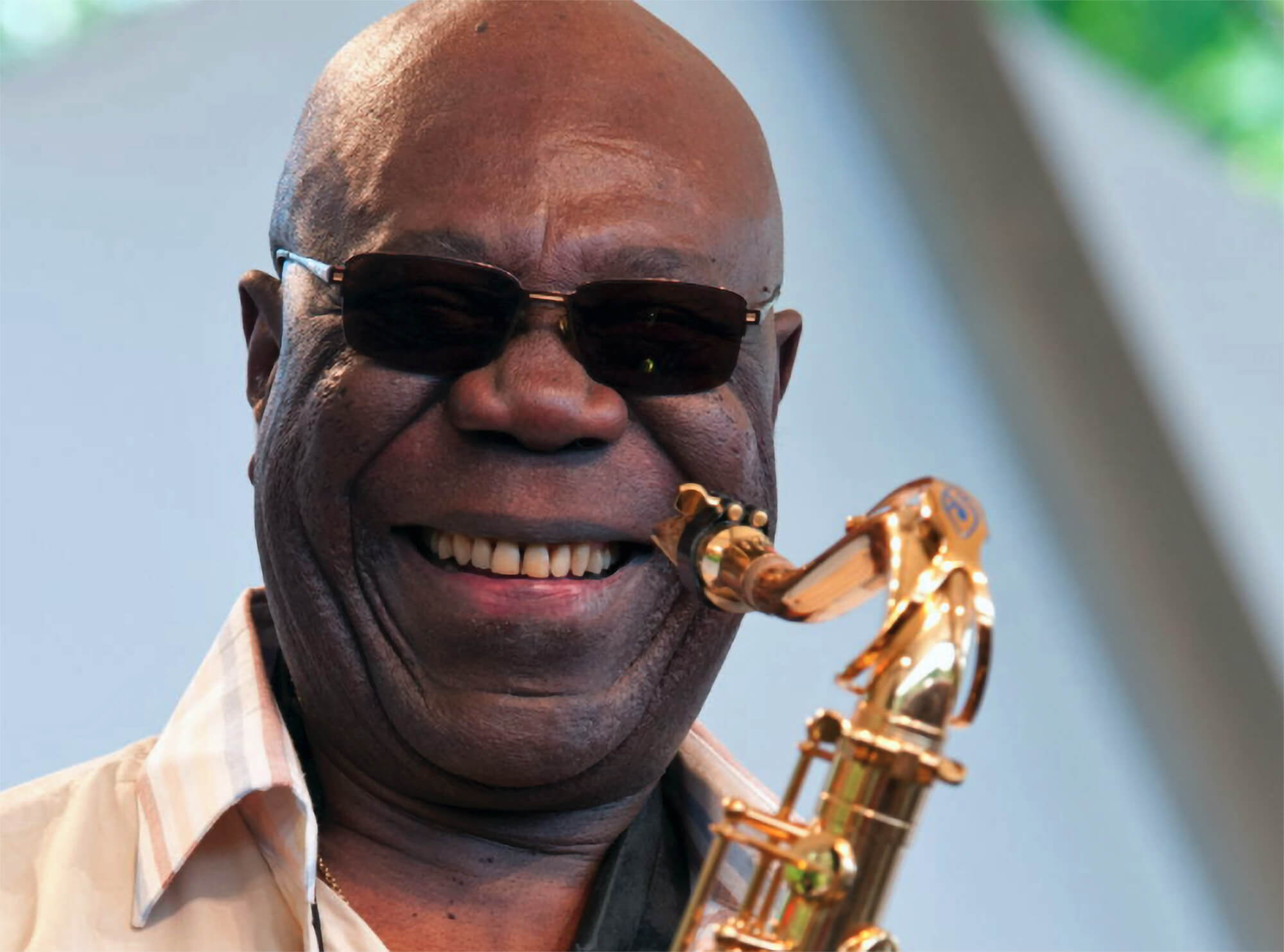
Manu Dibango (1933 – 2020)
We must also pay tribute to Manu Dibango, whose innovative fusion of jazz, funk, and Cameroonian rhythms paved the way for generations of African musicians. His iconic hit “Soul Makossa” became a global anthem, influencing artists from Michael Jackson to Rihanna and showcasing the boundless creative potential of African sound. Both Fela and Manu Dibango remain monumental figures whose legacies continue to shape the pulse of music worldwide.
The Resilience of Resonance: From Silence to Song
History tells us that during the eras of slavery and colonialism, the drum was often banned. The oppressors feared it because they recognised its power more clearly than we sometimes do today: it was a tool for communication, organisation, and identity. To take away a people’s sound is to take away their cohesion. But the sound did not die; it transformed. It became the Blues in the Americas, Jazz in underground clubs, and Highlife in West Africa. It went underground to survive.
Today, that same spirit of emotional survival echoes in the soulful, often melancholic melodies of artists such as Omah Lay. His music reflects the modern “Blues“, a visceral form of storytelling that transforms personal and collective pain into beauty. When he sings, he taps into the “Blue Note” of the African experience, proving that the function of our music remains unchanged: to process our reality, heal our trauma, and find joy amid the chaos.
The Global Diplomats: Breaking the Borders
For decades, African music was categorised by the West as “World Music”, a niche genre meant for the background. It required a seismic shift to break down these walls, a shift driven by the “Big 3”, who acted as cultural diplomats.
Wizkid represents the smooth transition of this thread. By refining his sound and collaborating with global stars without diluting his essence, he proved that African rhythms are universal. His success marks a breakthrough into the international mainstream.
Similarly, Davido serves as the energetic connector. His mantra, “We Rise By Lifting Others”, reflects the communal spirit of the African village. His music is not solitary; it is a call to gather. When these artists sell out the O2 Arena in London or Madison Square Garden in New York, they are not merely selling tickets; they are reclaiming space. They are planting the flag of African identity in the soil of nations once colonised by their ancestors.
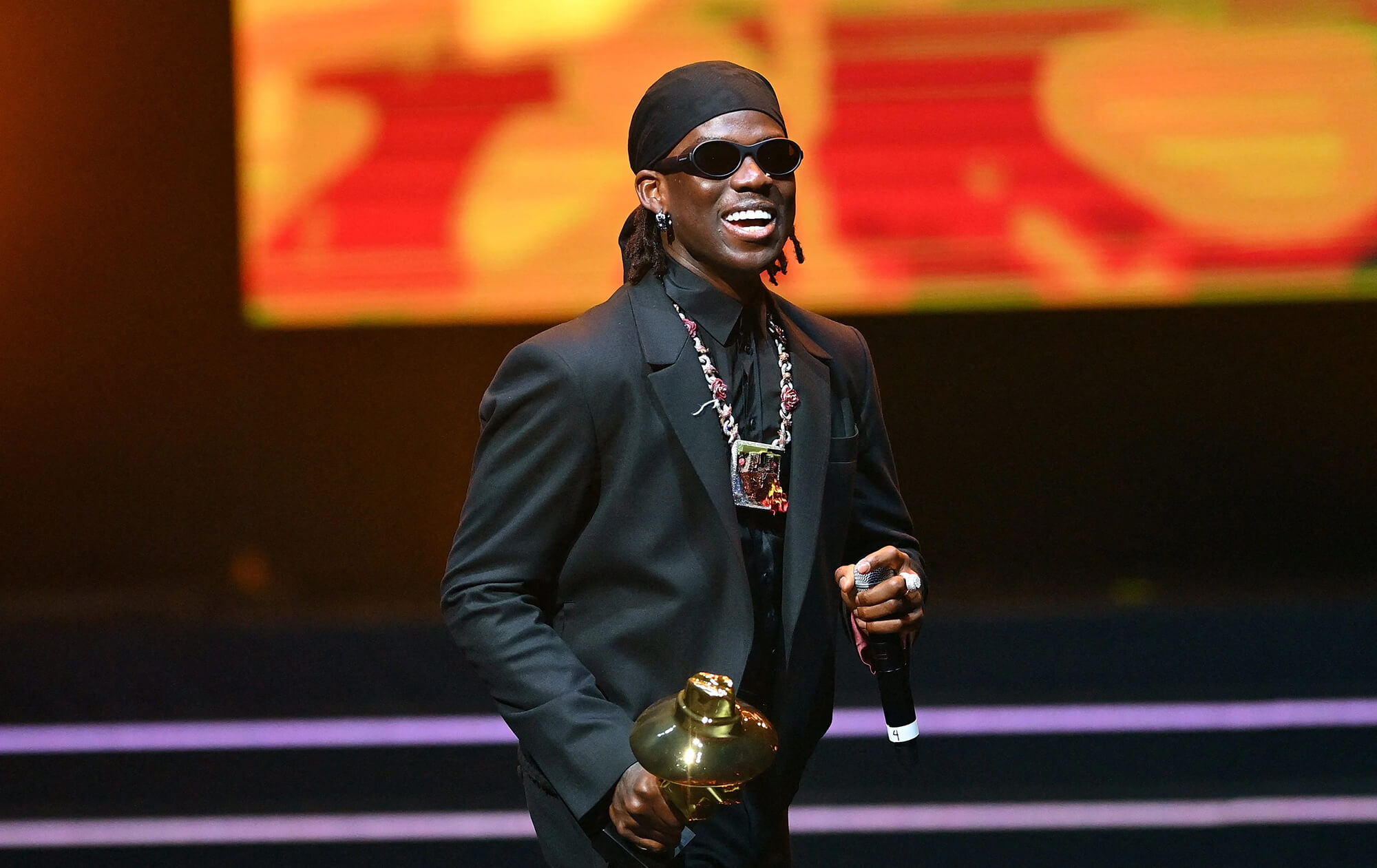
Rema
Sonic Adaptation: The Art of Future Nostalgia
The true strength of African music has always been its fluidity, its ability to absorb foreign influences and metabolise them until they become undeniably African. In the 20th century, Highlife music blended local rhythms with Western brass bands. In the 21st century, the evolution is faster, bolder, and more experimental.
We see this “Future Nostalgia” clearly in Asake. He is a master of the thread, seamlessly layering traditional Fuji choral harmonies and indigenous swagger over thumping modern basslines. He reminds the youth of where they came from while pushing them towards where they are going. He is “memory in motion”.
Similarly, Rema embodies the new generation’s fearlessness. By infusing Trap, Indian, and Arabian scales into Afrobeats to create his “Afrorave” sound, he defies geography. He proves that this lineage is not a tether that holds us back; it is a lifeline that allows us to explore the world without getting lost. These artists are weaving new colours into the tapestry, ensuring our culture remains a living, breathing entity that refuses to be static.
The Digital Village: The Log Drum as a Heartbeat

DJ Maphorisa
In the past, the village square was the heart of community life, a place where the drum summoned people to dance, mourn, or celebrate. Today, the village square has gone digital. It lives on TikTok, Instagram, and Spotify, yet the mandate remains the same: connection.
Nothing illustrates this better than the rise of Amapiano. Originating in South Africa, this sound is the heartbeat of the digital village. Custodians such as Kabza De Small and DJ Maphorisa have exported the log drum, a percussive sound that mimics the human heartbeat, worldwide. It is a sound that transcends language. You do not need to speak Zulu or Xhosa to feel the vibration of the log drum; you need only be human.
This genre has helped propel viral sensations like Tyla, whose music spreads instantly across borders. When a dance challenge sparks a global movement, it is the modern equivalent of the village crier. The medium has shifted from skin-on-wood to algorithms and screens, but the result remains the same: the world stops to listen to Africa.
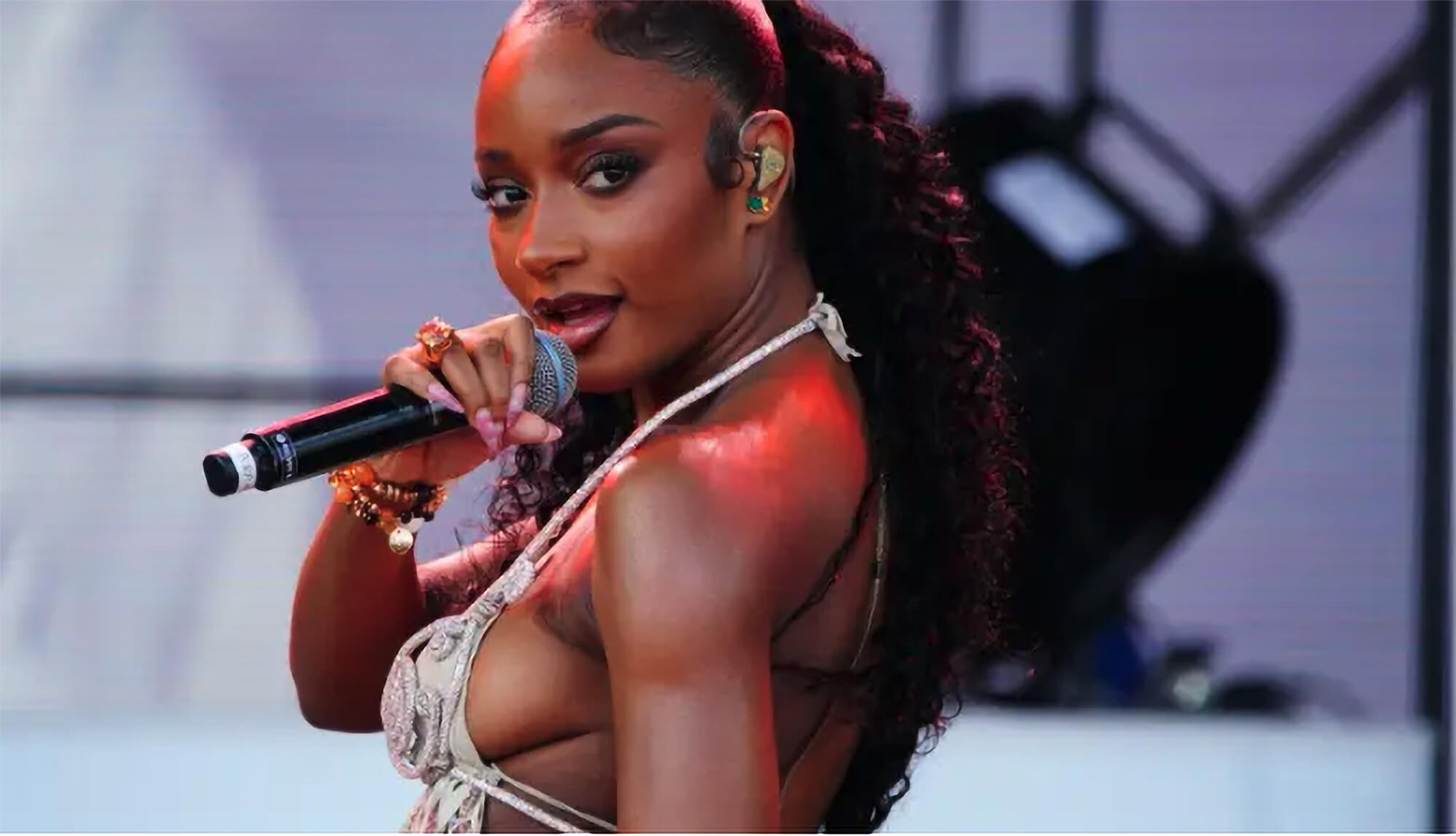
Ayra Starr
The Celestial Evolution: Confidence as Culture
Finally, we must consider the evolution of the messenger. The Unbroken Thread is not just about sound; it is about attitude, style, and the audacity to take up space. This is where Ayra Starr defines the moment.
Ayra Starr embodies the Celestial evolution of the thread. She brings a Gen Z confidence that is unapologetic and fierce. In her, we see the fusion of high fashion, global pop sensibilities, and gritty African lyricism (the “Sabi” spirit). She proves that honouring the thread does not mean looking ancient; it means carrying the ancestors’ spirit with the swagger of the future.
When Ayra Starr proclaims her worth and talent, she dismantles the old colonial narrative that African artists must be humble or grateful merely to be in the room. She kicks down the door and demands the seat at the head of the table. Alongside Tems’s soulful rebellion, she highlights the crucial role of women in preserving and advancing this thread. They are the new matriarchs of sound, ensuring that the female voice, often marginalised in history books, is amplified in the sonic archive.
Conclusion: The Keepers of the Flame
Why does this music resonate so deeply with the world right now? Why are playlists from Lagos playing in Los Angeles? Because the world is starving for authenticity, and African sound provides it. It carries the weight of history without being burdened by it. It is joyful yet profound.
The thread remains unbroken because it is continually passed to new hands. It has moved from the griots of the Mali Empire to the shrines of Fela Kuti; from the Highlife bands of Ghana to Burna Boy’s stadium tours; from the streets of Soweto to Ayra Starr’s celestial energy.
These artists are not just pop stars; they are the modern custodians of our identity. They are the archivists of the 21st century. As long as they, and the generation following them, continue to speak our truth, the archive will never be lost. The beat changes, the tempo speeds up, and the instruments digitise, but the spirit remains the same.
We are still here. We are still connecting. And through this unbroken thread, we are louder than ever.
Oriiz is a Griot, Curator, Designer, Culture Architect, and Strategist who makes African history portable and accessible to everyone: those who know, those who question, and those who never thought to ask. He connects 8,000 years of knowledge to the present.

Well said. This is deep, educative and inspiring. Your style differs. Thank you sir.