
By Oriiz U Onuwaje
Oriiz explores the link between the 9th-century bronze craftsmanship of Igbo Ukwu and the precise engineering of modern Swiss watchmaking. He believes that, despite being more than a thousand years apart, both traditions are rooted in a shared dedication to blending art with technical skill.
Both the ancient Nigerian metalsmith and the contemporary watchmaker demonstrate that real genius lies in the thorough pursuit of perfection, where every detail, even those hidden from view, is executed with integrity, patience, and deep respect for the materials.
This comparison shows that the desire to create beautiful, lasting objects is a timeless, universal part of being human.

The Everlasting Impulse to Create
We often describe human history as a steady progression from simple tools to advanced technology. Yet this view can obscure a deeper truth: throughout time and across cultures, people have reached remarkable heights of creativity and skill that stand on their own. This essay examines two such achievements, which seem very different, to uncover the common spirit behind them.
At first, these two worlds seem completely different. One is about ancient bronze objects found in Nigeria from the ninth century. The other is about watches, filled with tiny gears and springs.
But if we see the Igbo Ukwu vessels and Swiss watches only as products of their own times, we miss something important. Even though they are more than a thousand years apart, both show how human skill can bring together art and engineering.
These objects reflect our shared desire to shape raw materials and solve technical problems to create beauty, meaning, and precision. The following analysis examines the long gap between them to identify the ideas that connect a ninth-century Nigerian metalsmith and a modern Swiss watchmaker.
It suggests that combining artistic vision with technical skill is a lasting part of human creativity.
Igbo Ukwu: The Ninth-Century Precision Revolution
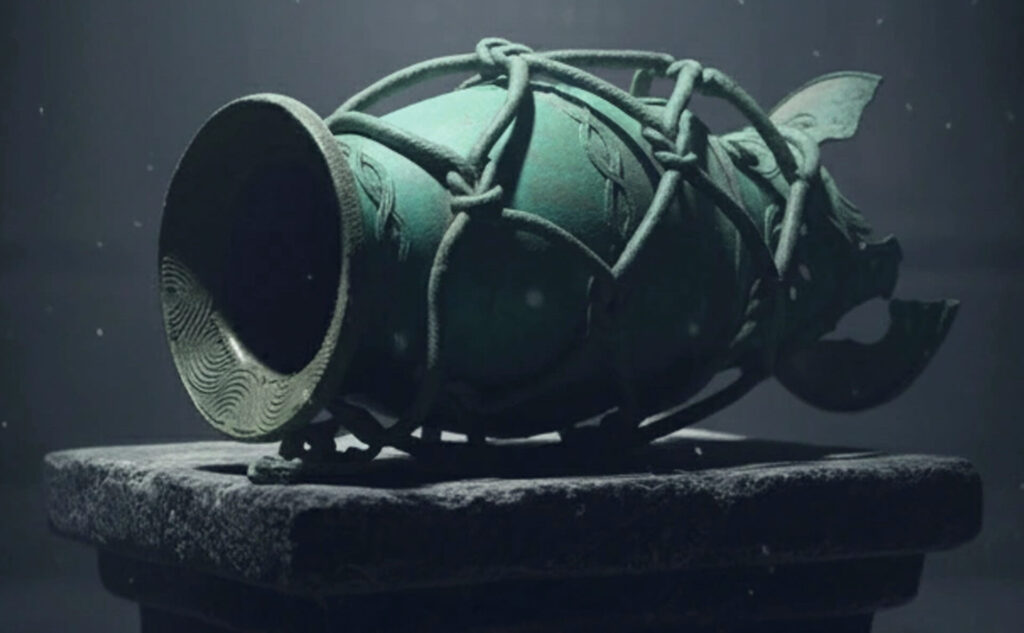
The story of Igbo Ukwu starts not in a palace, but at a well. In 1939, Isaiah Anozie was digging on his land in southeastern Nigeria when he found metal. His discovery changed the history of West African art. Later, archaeologists found a collection of objects: decorated bronze altar stands, carefully made rope pots, detailed pendants, and ceremonial vessels showing great skill.
9th Century Igbo Ukwu Bronze Bowl with waisted cylindrical form; rope-like and geometric patterns; perforations on body.
(Location: National Museum, Onikan – Lagos)
At first glance, these objects inspire awe. Their designs are complex and full of meaning. Sculpted flies and beetles move across the surfaces, serpents twist, and human figures sit in important poses. The surfaces are covered with textures, tiny dots, patterns like wires, and circles and spirals that seem full of life. This was more than decoration; it was a visual language that showed the beliefs and social order of a people whose name we do not know.
But what is most remarkable is the engineering behind these objects. They were made using the lost-wax casting method, a process so advanced that it was among the best in the world at the time.
The process develops in a series of precise, engineering-like steps:
- Design and Prototyping (The Art): An artisan would first sculpt the entire object, including every minute detail and every textural pattern, in beeswax.
- Mould Engineering (The Engineering): The artisan carefully encased the wax model in a thick clay-based mould. They finely crafted and added channels (sprues) to allow air to escape and molten metal to flow in.
- The Kiln Phase (Materials Science): The entire mould was fired in a kiln. This was a key phase in which engineering intuition was vital. The heat had to be precisely controlled to melt and drain the wax completely, leaving a hollow cavity without cracking the clay mould.
- Metallurgy and Pouring (Applied Physics): A precise copper alloy (often a leaded bronze) was smelted to a precise temperature. The molten metal was then poured into the preheated mould, filling the elaborate cavity left by the wax.
- The Reveal (The Final Test): After the object had cooled, the artisan broke away the clay mould to reveal the solid bronze form within.
The skill shown at Igbo Ukwu was careful and exact. Artisans made large vessels with thin, even walls, which meant they had to control the metal and heat very precisely. Even more impressive was their attention to tiny details. They carved small dots, fine lines, and tiny spirals by hand into wax models. This level of care and patience is similar to what we see in modern micro-engineering or expert engraving.
They did all this without magnifying lenses or modern tools, relying only on their skill, steady hands, and a clear idea of the design. In their work, engineering and art were one and the same, with each technical step shaped by artistic vision.
The Living Legacy: Awka Blacksmiths on the World Stage
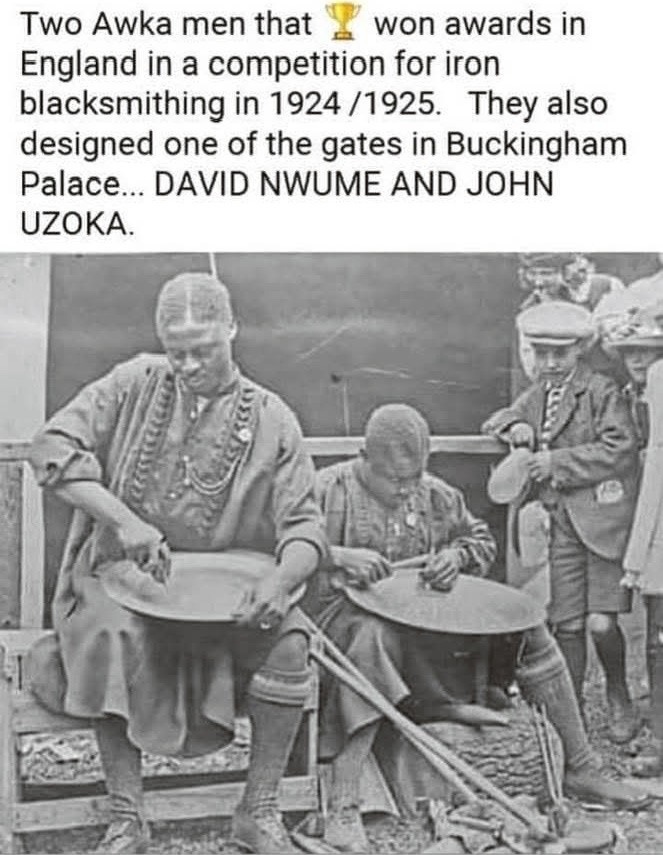
The story of Igbo metallurgy does not stop with the Igbo Ukwu masters. It continued vibrantly into the modern era. Ancient knowledge was preserved and refined by blacksmith guilds across Igboland, especially in Awka, a city long recognised as a centre of metallurgical excellence. This living legacy reached the world stage in the 1920s, when two Awka blacksmiths, David Nwume and John Uzoka, travelled to England. They won honours in a national ironwork competition in 1924/25 and were commissioned to design a gate at Buckingham Palace.
Their success is an important part of world history. It proves that the skills seen at Igbo Ukwu were not just a one-time event, but part of a living tradition. The fact that two Igbo smiths won top awards in Britain and worked for the Crown shows their mastery was still world-class, even after a thousand years. They brought their ancestors’ talent into modern ironwork, connecting the past to the present and demonstrating that this tradition of excellence endures.
Fine Watchmaking: The Modern Heir to an Ancient Principle
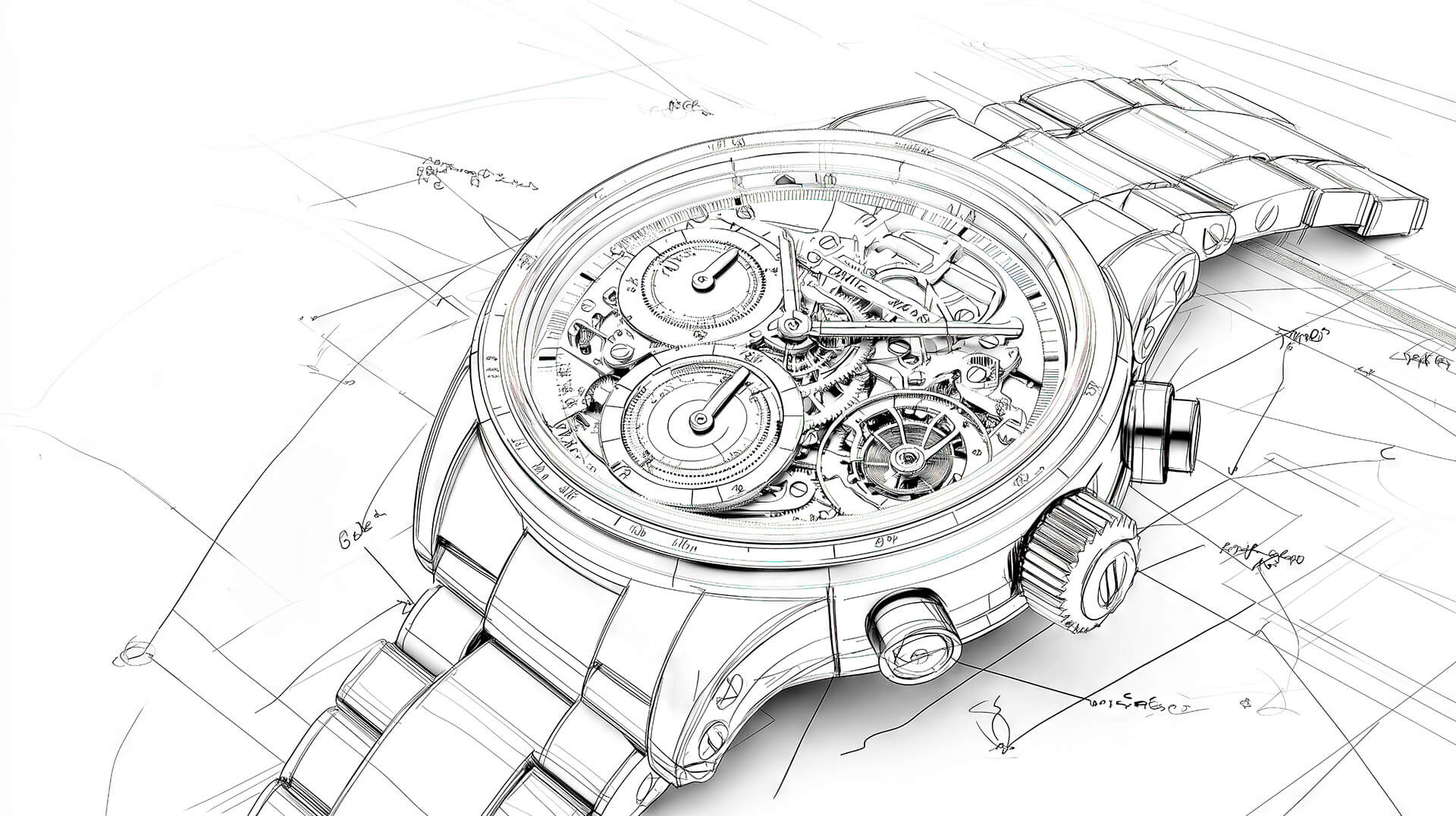
If Igbo Ukwu shows the height of ancient metalworking, then the fine mechanical watch is its modern counterpart. While a watch tells time, for collectors and makers, it is really a showcase of human skill and craftsmanship. This idea is similar to the purpose of the sacred objects from Igbo Ukwu. You can see the skill in a fine watch right away. Guilloché patterns, made by hand on special machines, make the dial shine with a precise beauty. The elegant numbers, shaped hands, and polished edges all add to its charm. A fine watch is, in many ways, a piece of art you can wear. But beneath the surface is the heart of the watch: its movement, or calibre. This is where engineering is most important. A single watch can have hundreds of tiny parts such as gears, springs, levers, and jewels, all working together. The challenges faced here are similar to those the Igbo Ukwu masters dealt with in their own work.
Miniaturisation and Precision: Watchmakers work at millimetre and micron scales. A gear train must be manufactured to tolerances finer than a human hair to assure precision. This is the direct descendant of Igbo Ukwu micro-engineering.
Materials Science: Modern horology relies on advanced metallurgy. Alloys such as Glucydur for balance wheels, silicon for hairsprings, and proprietary materials are engineered to be non-magnetic, temperature-resistant, and perfectly elastic. This represents the evolution of the Igbo-Ukwu smith›s natural understanding of bronze›s properties.
Complexity of Assembly: Assembling a grand complication watch, with features such as a perpetual calendar, chronograph, and minute repeater, can take months. It requires an understanding of how hundreds of parts interact as a system, a mechanical ecosystem as delicate and interdependent as any natural one.
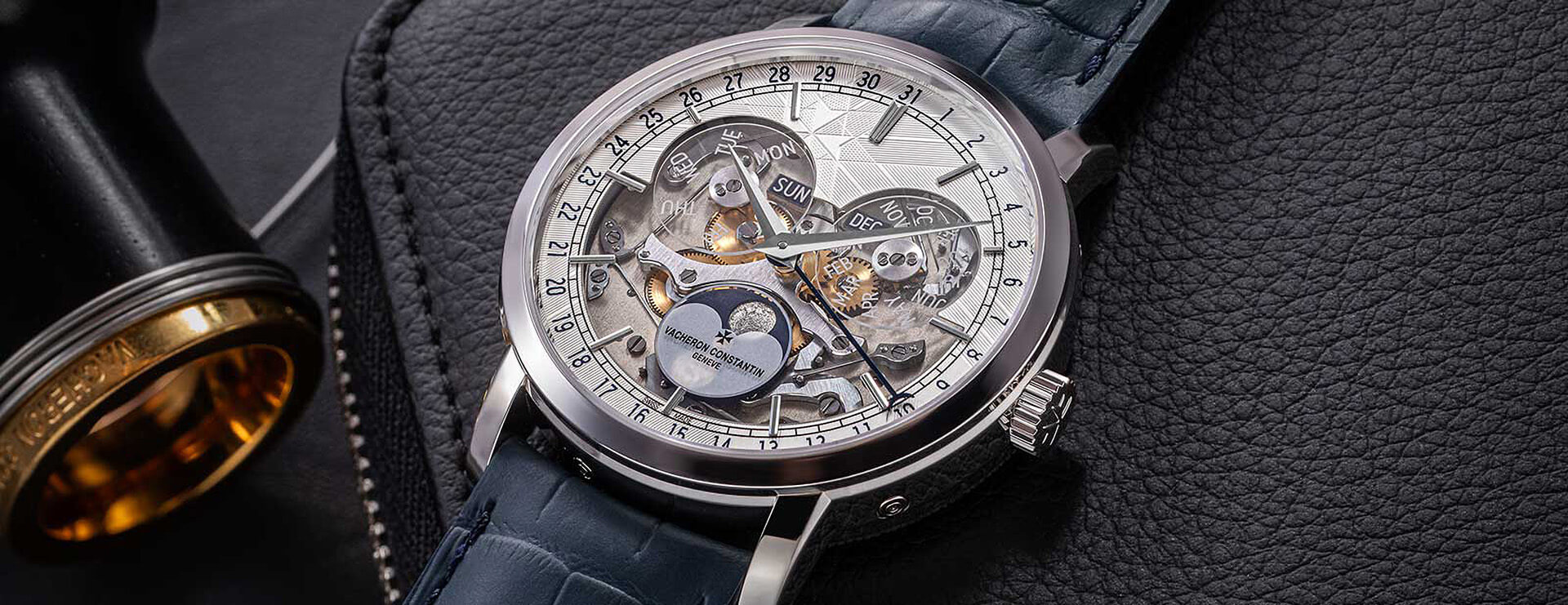
The Vacheron Constantin Traditionnelle Complete Calendar Openface watch (first introduced in December 2021).
Finishing and decoration are the clearest artistic connections to Igbo Ukwu. Techniques like Geneva stripes, circular graining, and angle polishing are more than just decoration. They show respect for the craft and prove that the hours of handwork spent on every part, even those that cannot be seen, are perfect. This is similar to the Igbo Ukwu artisan, who added fine details throughout, knowing they were important to the object’s sacred value.
Brands such as Patek Philippe, A. Lange & Söhne, and Vacheron Constantin do not just sell watches. After all, smartphones keep better time. Instead, they offer a tradition in which art and engineering go hand in hand, each making the other better, to create objects that last.
The Intersection: Where Two Worlds Converge
Even though they are separated by time and culture, the Igbo Ukwu artisan and the Swiss watchmaker
share many important ideas. Their work comes together around several key principles:
- Mastery of Process: In both traditions, the process is just as important as the result. Lost-wax casting and assembling a watch movement are long, difficult, and risky tasks. Real mastery shows not only in the final product but in doing each step perfectly. This is practical knowledge gained through experience, a true skill.
- Obsession with Hidden Detail: Both traditions strive for perfection, even in places no one will see. The Igbo Ukwu artist decorated the bottoms of pots and the insides of vessels. The watchmaker finishes parts hidden inside the watch. For both, true integrity means making every part beautiful and well-crafted, as a promise between the maker and the object.
This reverence for hidden perfection speaks to a shared ethical and aesthetic philosophy: that integrity in craftsmanship entails excellence in every aspect, seen or unseen. For the Igbo Ukwu artisan, this might have reflected spiritual respect for the object’s purpose. For the watchmaker, it honours a tradition in which every component, no matter how small or concealed, must meet the highest standard. In both cases, the unseen effort becomes a silent testament to the maker’s honour and skill.
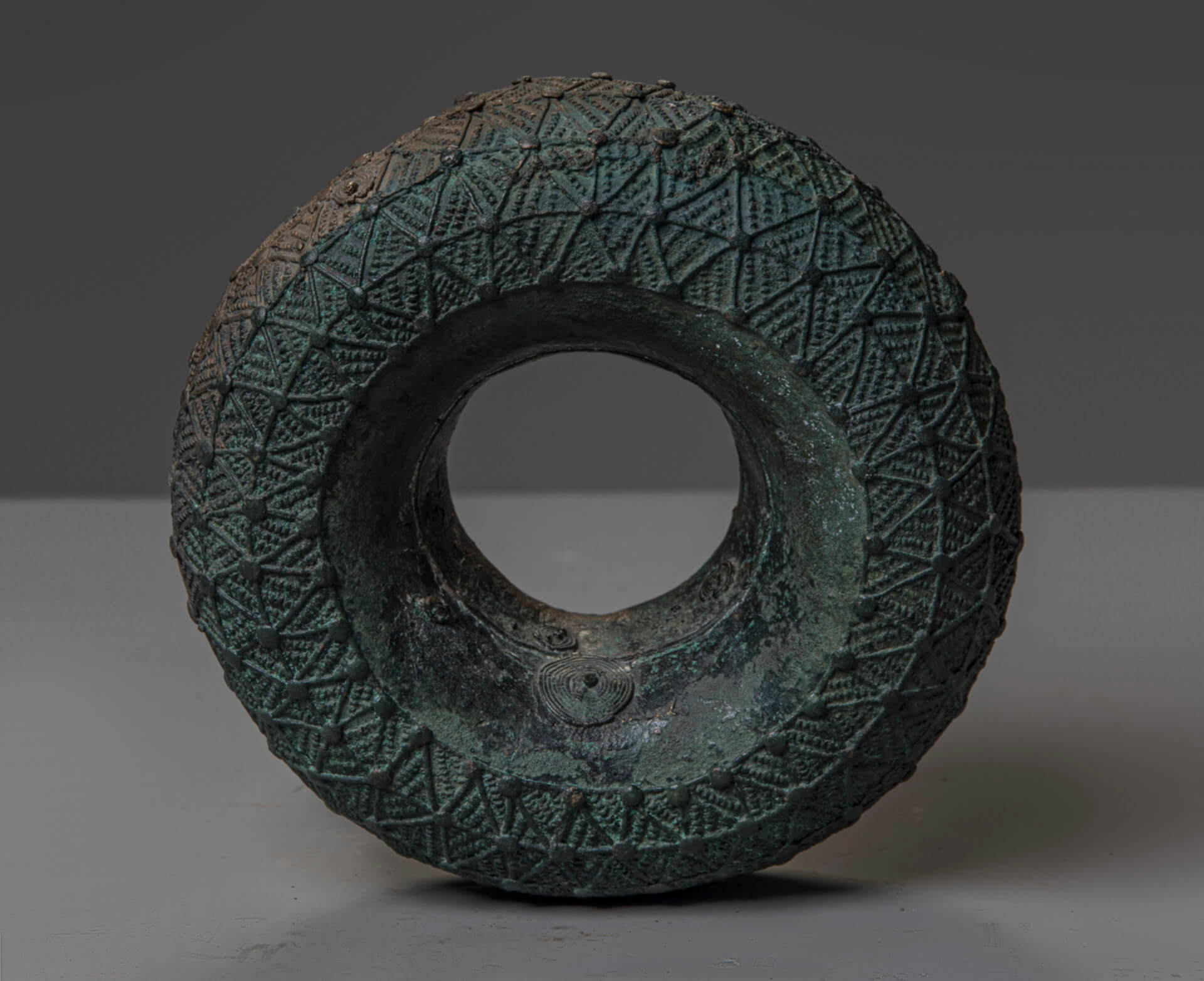
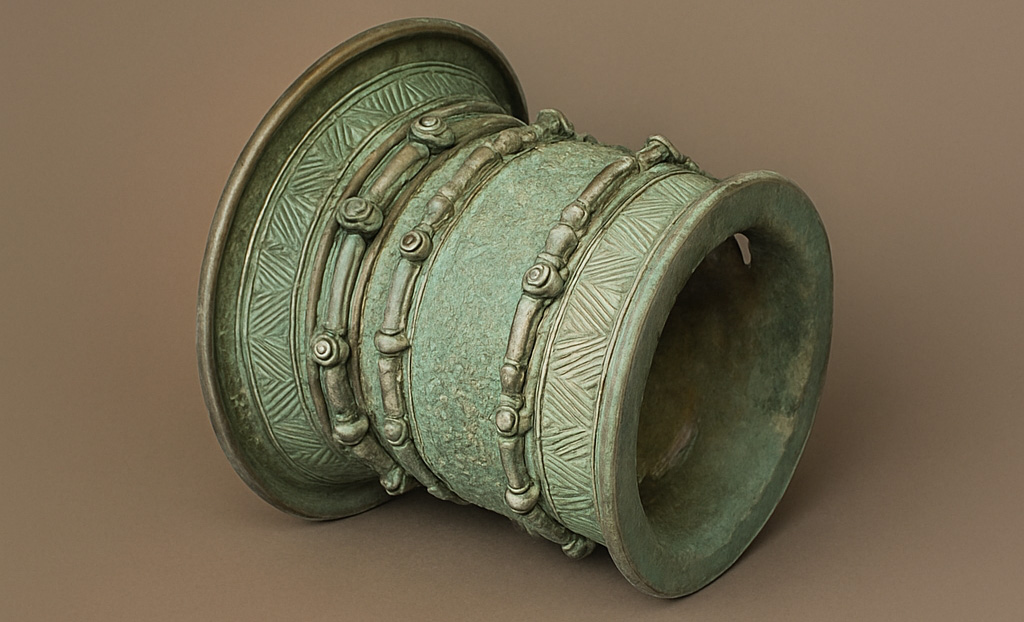
9th Century Igbo Ukwu Bronze Torus, copper alloy with intricate geometric patterns and high level of detail.
(Location: National Museum, Onikan – Lagos)
- Form and Function United: In both traditions, beauty and usefulness go hand in hand. The shape of an Igbo Ukwu pot is both ceremonial and beautiful. The design of a watch movement is mechanical yet balanced and pleasing. If you separate beauty from function, you lose something important.
- Making Objects to Last: These items were made to endure. Igbo Ukwu bronzes were created for sacred use and intended to last for centuries, connecting people to the divine and signifying a leader’s status. A fine watch is made to be passed down as an heirloom, carrying memories and a legacy. Both are built to last in a changing world, choosing timelessness over things that fade quickly.
A Universal Human Language
The journey from Nigeria’s ninth-century bronze makers to today’s Swiss watchmakers is not merely a story of progress. It shows that human excellence is a lasting and shared trait. The Igbo Ukwu objects remind us that the desire to create things of great skill and beauty is neither new nor limited to one culture. They were not “ahead of their time”; they were the best of their time, shaped by their own culture, beliefs, and knowledge. The same applies to the watchmakers in the Vallée de Joux.
When we compare these two traditions, we do not diminish either; we honour both. Art and engineering do not merely meet; together, they create a rich space where human talent shines. The Igbo Ukwu master and the Swiss watchmaker, though a thousand years apart, share the same values: patience, precision, and deep respect for materials. They show us that true craftsmanship is a form of wisdom, and that a well-made object, whether a bronze vessel or a watch, is proof of the enduring human spirit.

Oriiz is a Griot, Curator, Designer, Culture Architect, and Strategist who makes African history portable and accessible to everyone: those who know, those who question, and those who never thought to ask. He connects 8,000 years of knowledge with the present. Oriiz also edited and served as Executive Producer for The Benin Monarchy: An Anthology of Benin History (The Benin Red Book), Wells Crimson, 2019. Author: The Harbinger: A Window into the Soul of A People: 8000 years of Art in Nigeria, Crimson Fusion (2025).
:::::::: oriiz@orature.africa IG: @oriizonuwaje
