The Architecture of Value:
Cowrie Shells, Manillas, Iron Bars and Cloth as Currencies

By Oriiz U Onuwaje

Oriiz explains how pre-colonial Nigerian societies established a monetary system using cowrie shells, manillas, iron bars, and cloth. This monetary system was a comprehensive economic framework based on trust and innovation, supporting trade and integrating markets into social and political life long before colonisation.

Foundation of Daily Trade: Cowrie Shells

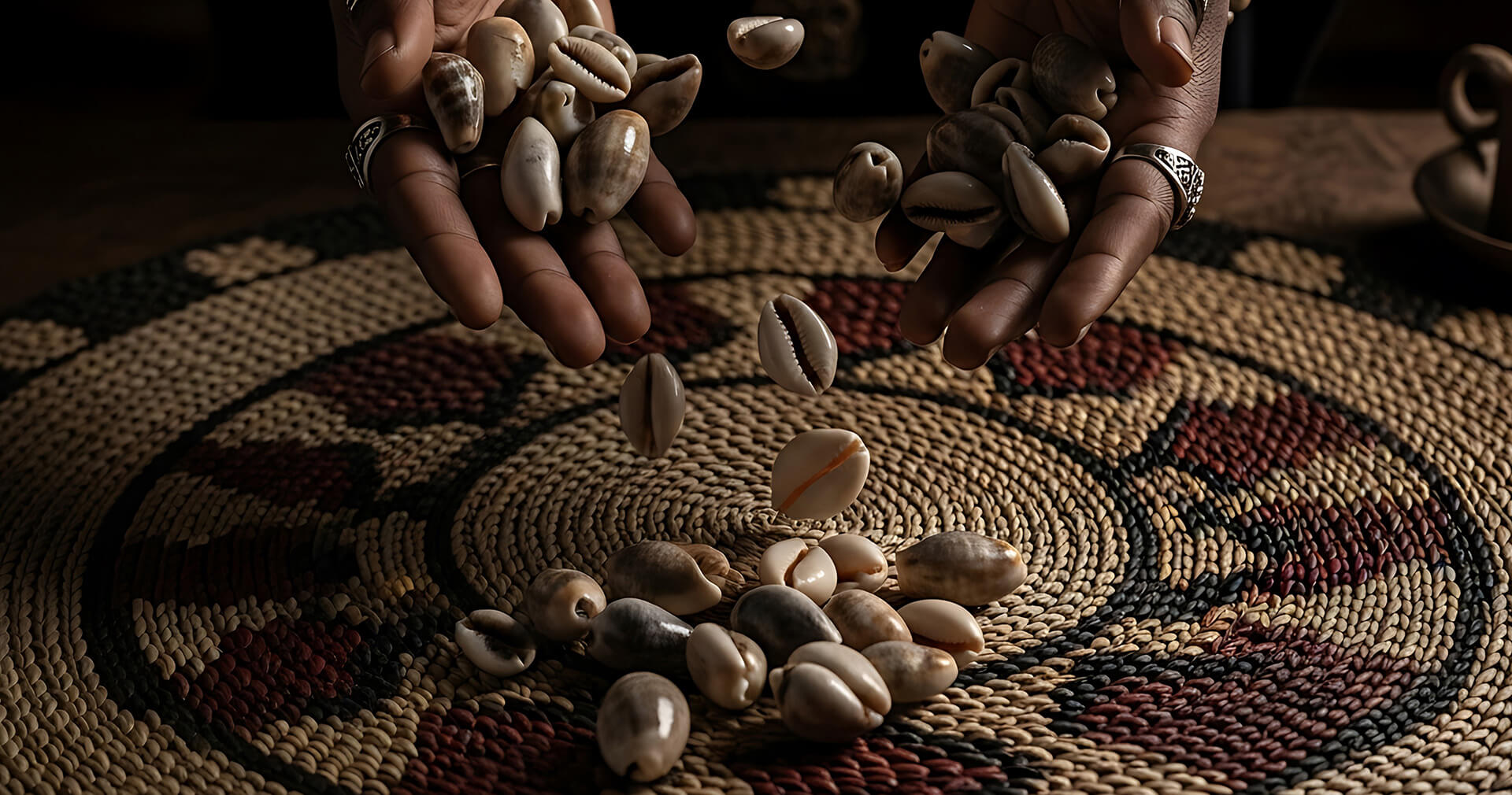
Cowrie shells (primarily Cypraea Moneta) served as the basis for daily exchanges and minor debts in pre-colonial Nigeria. Cowries were durable, divisible, and portable. These qualities made cowries ideal for small transactions and minor debts. They arrived in Nigeria in the 15th century via trans-Saharan and European trade. Their value was socially established and widely accepted among groups such as the Yoruba, Hausa, and Edo.

Download PDF version of Essay

Numeracy skills were essential for handling cowries. The Yoruba and Hausa developed sophisticated counting systems, demonstrating their mathematical abilities. Additionally, the quality of the cowries was important. Cowries were graded based on size, shine, and completeness. Larger, shinier, and fully intact cowries commanded higher prices. This grading system acted as an early form of quality control and a way to preserve value.

Cowries were incorporated into the economic activities of regions such as the Kingdom of Benin and the Oyo Empire. Cowries were used to pay taxes and fines, and to make offerings to the gods. By integrating cowries into the administrative and spiritual fabric of society, the economic systems of these regions developed a common economic language that facilitated trade across culturally distinct areas. As a result of the widespread adoption of cowries, the regional economies of the area became interconnected economically.
Manilla

For Major Transactions: Manillas and Iron Bars

Because large transactions such as buying land or paying dowry required vast quantities of cowries, the cowrie-shell system became impractical for these purposes. A newer form of currency, more valuable and easier to carry, was necessary. Two types of currency fulfilled these criteria: manillas and iron bars. Both are examples of purpose-made currencies whose worth was guaranteed through standardised manufacturing and cultural acceptance.

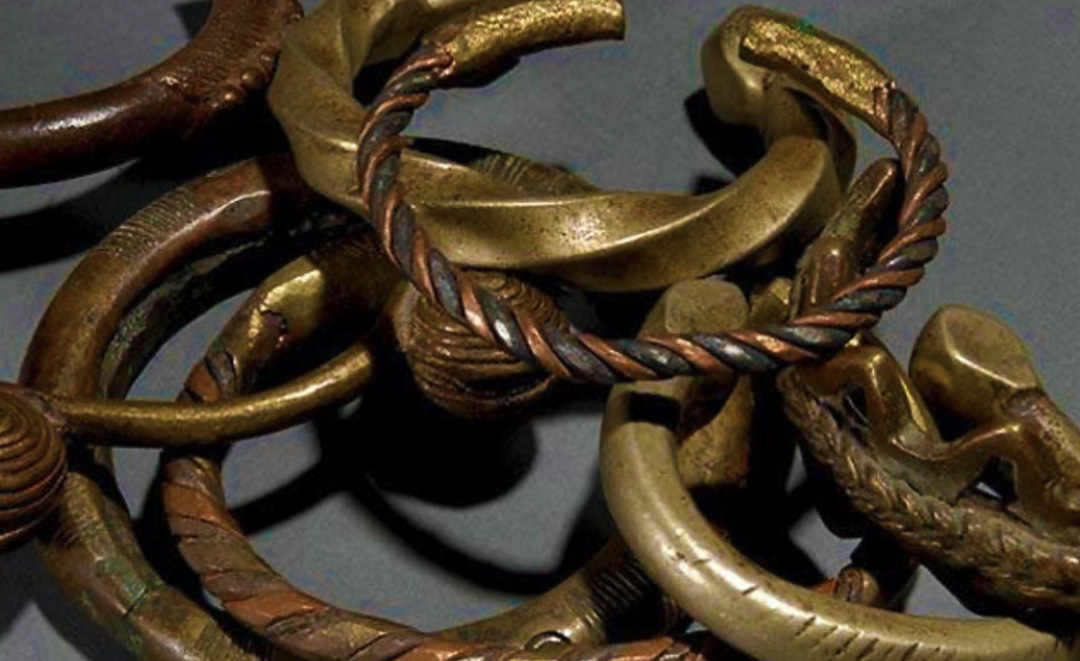
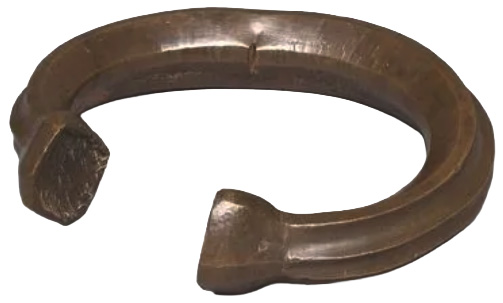
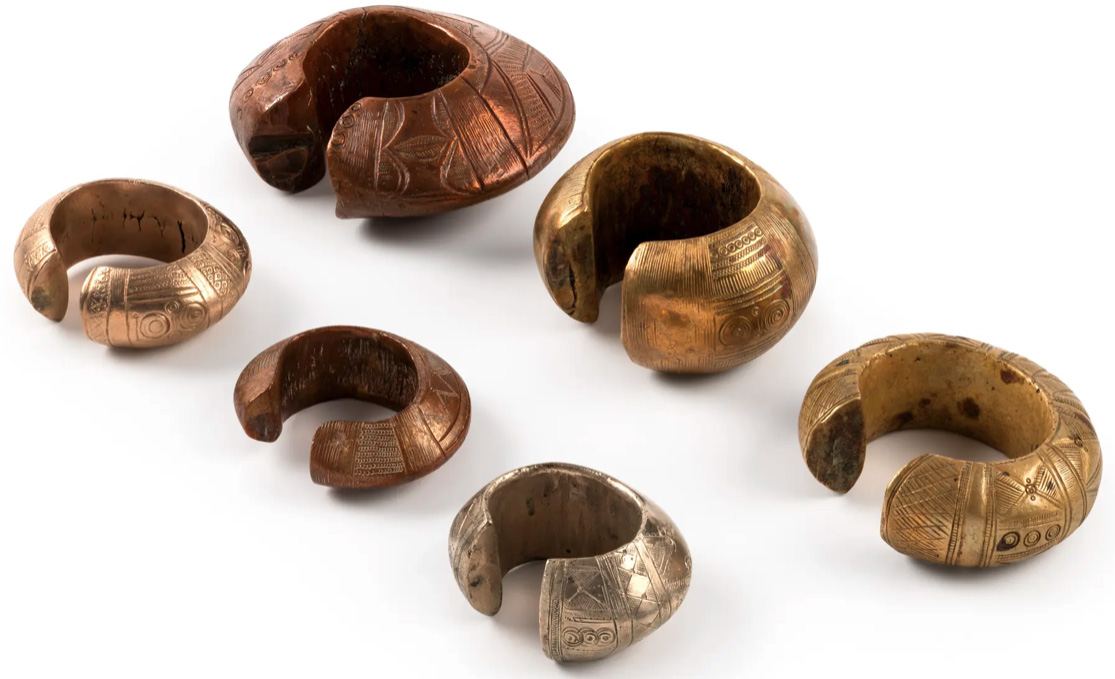
Manillas, the more popular form of currency on the West African coast from the 16th century onwards, are usually horseshoe-shaped and primarily made of brass or copper. Manillas were initially produced in Europe for trade with Africa. As manillas were exchanged along the West African coast, their design and weight were gradually standardised to suit local users’ preferences and existing value systems.
Manilla

Manillas were the preferred medium for major transactions in the Niger Delta and among the Igbo and Ibibio peoples. The value of manillas is based on the metal content and the labour required to produce them. Consequently, there is a direct link between the value of the Manilla and the craftsmanship involved in making it. Manillas have been used as displays of wealth, worn during ceremonial occasions, and created for social payments such as bride price, signifying that manillas played a role in the exchange of goods and services beyond merely serving as a medium of exchange.

Manillas were so deeply embedded in the economic system of West Africa that, even when the British colonial government introduced its own currency to the region, manillas continued to be used as currency. To put an end to the use of manillas as currency, the British government banned and demonetised them in the early 20th century. This measure led to severe economic hardship for the people of West Africa.
Manilla

Iron bars, similar to manillas, were also used as a high-value medium of exchange in other parts of West Africa. Iron bars, often shaped like a hoe or a point, were produced in standardised sizes and weights. The production of iron bars was regarded as a prestigious craft, and the finished product carried spiritual significance. Standard iron bars were valued as a measure of wealth, used as payment for various purposes, including compensation for a large plot of land, serious offences, and were regarded as part of a noble’s treasure. Unlike manillas, which were mainly used in coastal transactions, iron bars circulated widely across inland trading networks, connecting regions through a shared understanding of value rooted in both material usefulness and symbolic status.

Together, manillas and iron bars show how the pre-colonial economic system used different types of currency for various transaction levels. The use of these different currencies helped maintain economic stability and efficiency across the wide range of activities that existed in pre-colonial West Africa.

Cloth Currency: Currency of Status and Ceremony

At the apex of this monetary hierarchy were textiles, specifically high-quality, handmade fabrics such as those produced by Yoruba aso-oke weavers, Nupe weavers, and Benin weavers. Cloth currency operated in a domain where economic value was inseparable from social, political, and spiritual worth.
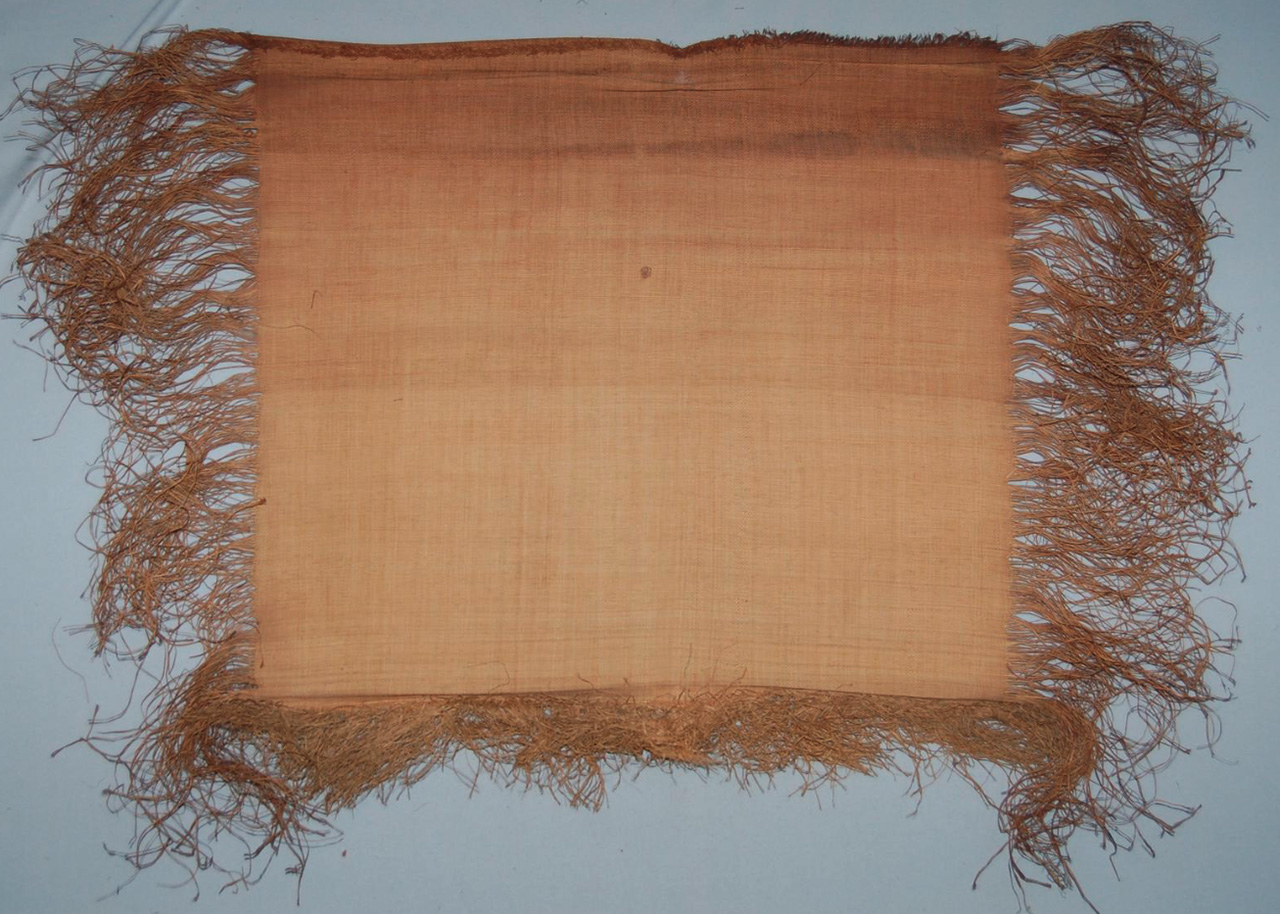
Cloth Money

Its main function went beyond merely serving as a medium of exchange; it was a luxury item, a symbol of elite status, a medium of gift-giving in diplomacy, and a key object in many rituals and ceremonies, including weddings, funerals, and title-taking events.

The production of prestige cloth was a time-consuming, labour-intensive process that required great skill and often used expensive dyes and imported materials. Because of the difficulty in producing these cloths, their supply was limited, and their value was therefore significantly increased. One fine piece of cloth can be worth thousands of cowries or several iron bars, thereby qualifying it as a high-denomination store of wealth.

Kings and nobles amassed vast collections of these textiles as part of their treasuries. They would give cloth as rewards for loyalty, forge alliances with neighbouring kingdoms through gift exchanges, and showcase their power and generosity during public festivals. In some cultures, such as the Benin Kingdom, certain types of cloth were exclusively reserved for royalty. As a result, the value of these textiles was effectively priceless and not interchangeable in everyday trade.

Cloth holds a special place in the realm of social credits and obligations. When cloth is given as a gift, it forges a lasting bond of reciprocity and honour between the giver and

Cowries

recipient. This highlights another essential aspect of the monetary systems described earlier. The highest value in these societies did not lie in abstracted metals but in objects that embodied cultural significance, artistic worth, and social ties. Therefore, cloth is not merely a form of currency; it is the physical representation of wealth as social capital.

Marketplaces, Networks and the Underpinnings of Trust

A currency system of this complexity could not exist without a strong institutional framework. Extensive networks of marketplaces facilitated the movement of goods and the exchange of various currencies. Periodic markets, such as those in Hausaland and those organised by the Aro Confederacy in Igboland, served as centres of trade and functioned as de facto financial hubs. The prices of cowries relative to other currencies were determined at these markets, and the overall value of the currencies relative to each other was stabilised.

The Aro offered an institutional framework for the exchange of goods over long distances and established settlements across culturally diverse regions through their extensive network of diasporans and their capacity to invoke divine authority.

The entire monetary system of pre-colonial Nigeria relied heavily on a sophisticated framework of trust. This trust was deeply rooted in culture and spirituality. Economic transactions were not just individual acts but were embedded within social relationships governed by shared norms, religious beliefs, and community oversight.

Economic transactions were further safeguarded through the use of curses or oaths to ensure contract compliance, the invocation of deities associated with trade and wealth (e.g., Ogun among the Yoruba), and the moral authority of elders and titleholders to resolve disputes. This trust was sufficient to enable the operation of credit systems and forward contracting without the need for written contractual agreements.

Additionally, the currencies themselves were often consecrated through use in religious ceremonies. Cowries were offered to deities, manillas were placed on shrines, and cloth was used in ritual attire. The association of the economic with the spiritual meant that failing to uphold trust was not merely a breach of contract but a breach of moral and cosmic law. Therefore, the establishment of the pre-colonial Nigerian monetary system was as much a cultural achievement as it was an economic one.

Conclusion

The pre-colonial economic systems of Nigeria were well-organised and innovative. The layered monetary system used in these systems (ranging from cowrie shells to cloth) enabled efficient trade, the storage of wealth, and accurate valuation across society. More importantly, the monetary system was deeply interconnected with the social, political, and spiritual aspects of the societies that used it. Economic activity was not separate from cultural life; instead, it was a vital part of it, guided by mutually understood norms and supported by shared beliefs and religions.

Appreciating the sophistication of these systems will help decolonise the study of economic history and increase awareness of indigenous African innovations. The real disruption did not come from the superiority of the financial system itself, but from the colonial imposition of a system that rejected these trusted, complex systems.

The lessons from these systems can guide the development of economic systems that tackle the complexities of human needs.


Oriiz
Oriiz is a Griot, Curator, Designer, Culture Architect, and Strategist who makes African history portable and accessible to everyone: those who know, those who question, and those who never thought to ask. He connects 8,000 years of knowledge with the present. Oriiz also edited and served as Executive Producer for The Benin Monarchy: An Anthology of Benin History (The Benin Red Book), Wells Crimson, 2019. Author: The Harbinger: A Window into the Soul of A People: 8000 years of Art in Nigeria, Crimson Fusion (2025).
:::::::: oriiz@orature.africa IG: @oriizonuwaje

Governance and the Engineering of Memory: BRONZE, IVORY AND WOOD

African societies built memory so deliberately that no one could erase it.


By Oriiz U Onuwaje

Oriiz shows us how African societies deliberately built memory right into their surroundings. They used design thinking as a way to survive, weaving authority, lineage and continuity into bronze, ivory and wood. What we now admire as art started out as a practical system. People designed these objects to organise history, legitimise power and preserve identity.

Download PDF version of Essay
 

Most of us think of memory as something fragile, but these societies made it strong. They wove memory into everyday life, into how they governed, practised rituals and organised their communities. By choosing materials like bronze, ivory and wood, they made sure that memory would last, authority would hold steady and continuity would stretch across generations. In their world, art and life went hand in hand, and every object helped keep identity alive and protected, year after year.

MEMORY AS INFRASTRUCTURE:


Memory is not a whisper.
It is a structure.
It carries weight.
Not a tale told once,
but form repeated
until repetition becomes law.
What a people build to remember
outlives the moment of building.
Fired clay outlives breath. Form outlives fear.
Bronze outlives kings. Form outlives power.
Memory is how a society
refuses erasure,
and names that refusal civilisation.

In many African civilisations, power wasn’t just an idea; it was something people could see and touch. Authority needed form, memory needed structure, and identity needed something solid. These needs led to material traditions that served as archives long before modern record-keeping. Through carving, casting, and building, African societies made memory part of the physical world so that history could be seen, touched, and experienced.

Ife Bronzes

NOT DECORATION:


This was not made
to please the eye.
It was made to hold a kingdom.
Power was carved into matter.
Order was cast into metal.
Authority was given a body.
Beauty was discipline.
Discipline made memory endure.
Endurance became history.
Form was never ornament.
Form was governance made visible.

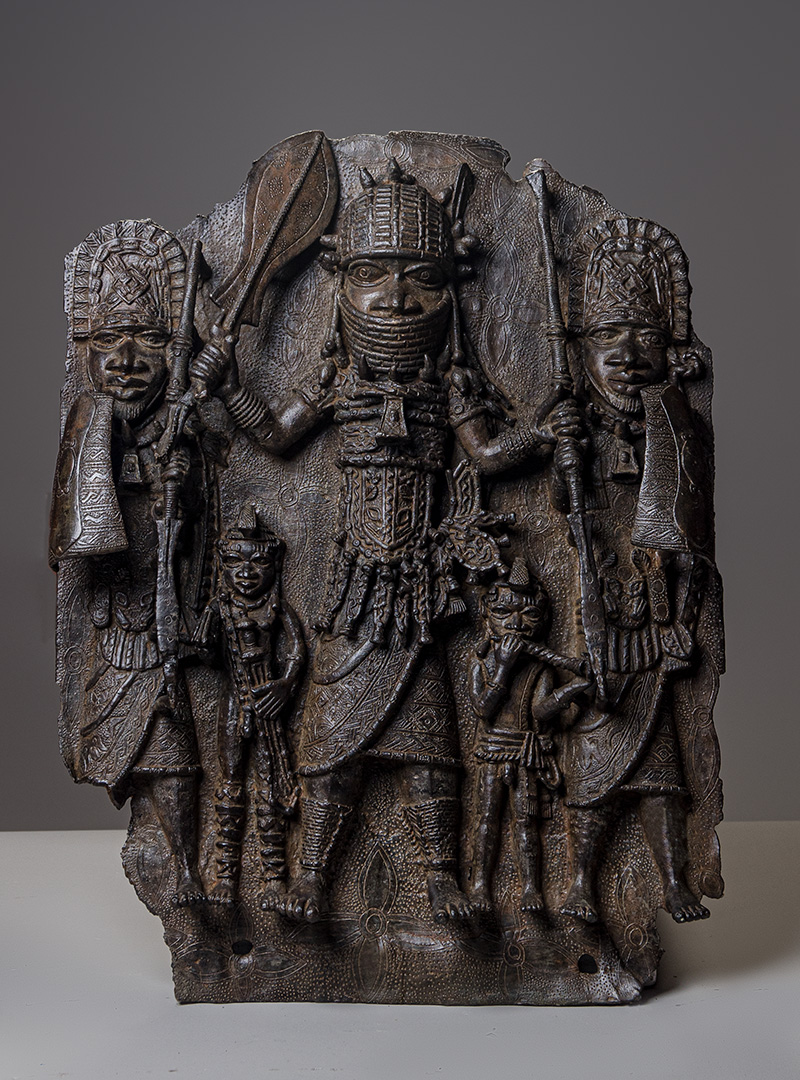
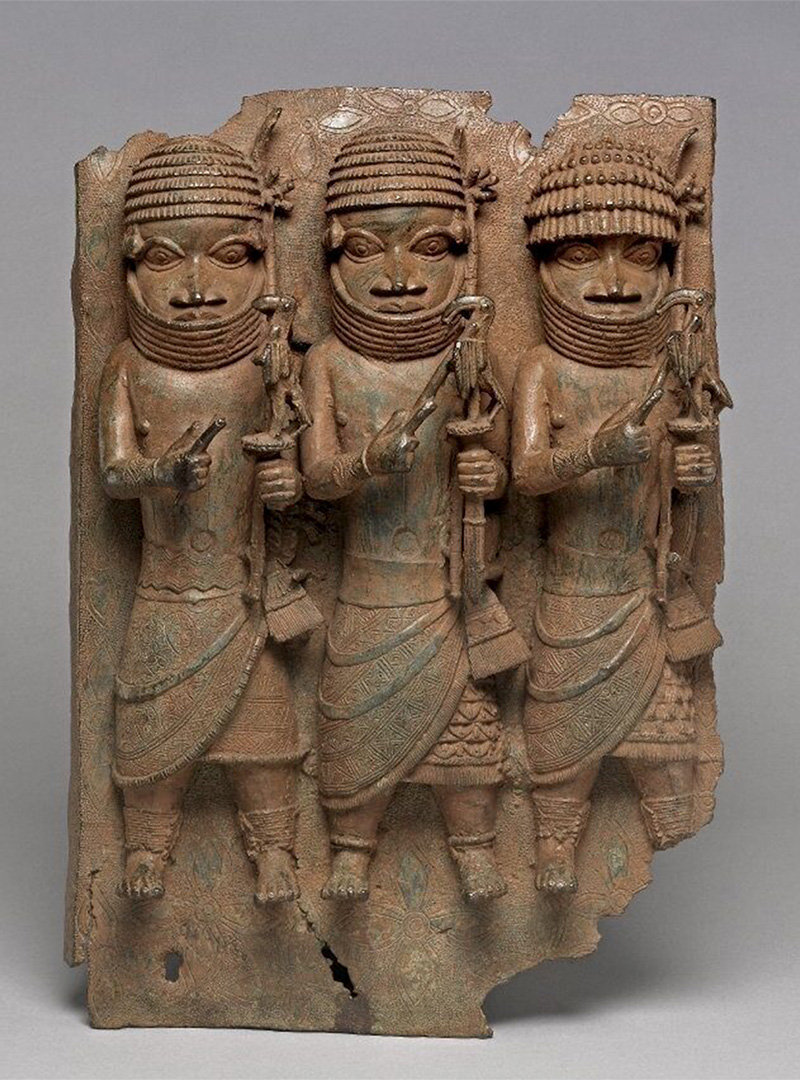
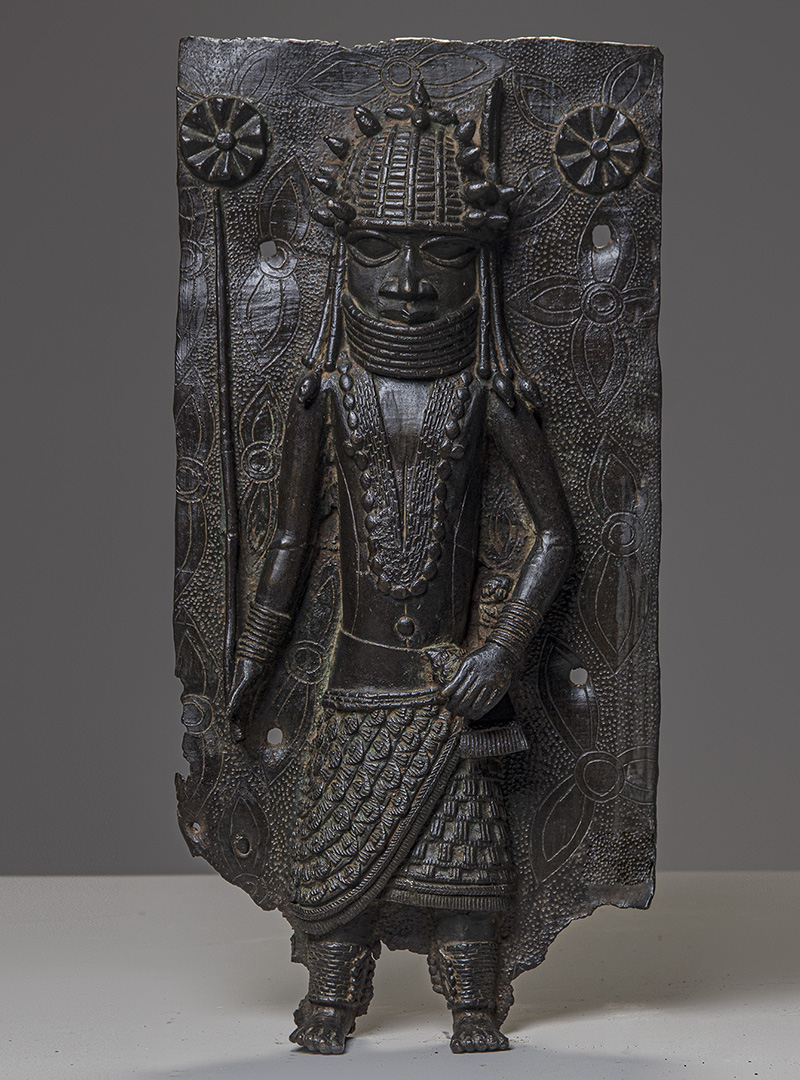
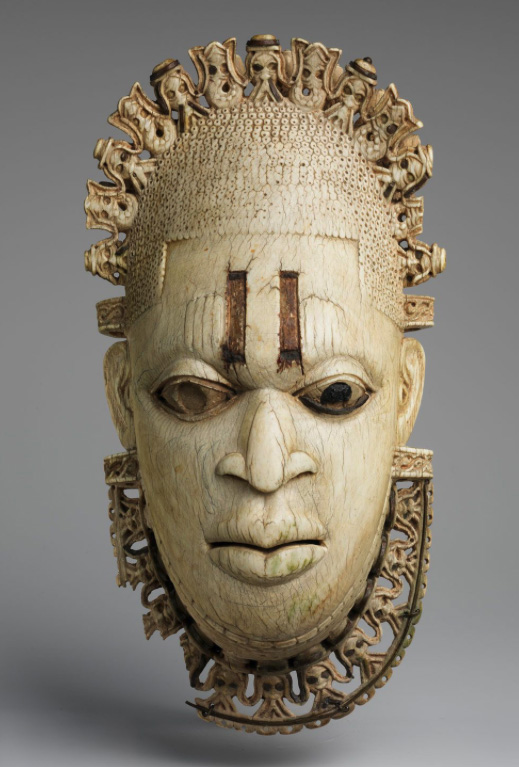
In Benin’s royal courts, bronze demonstrated that beauty was also power. The bronze plaques brought history to life by recording important events directly onto their surfaces. Arranged in sequence, they told the stories of kings, court ranks, diplomacy, military campaigns and rituals, transforming the palace into a visual archive. These works were designed to be read as records as much as admired for their artistry.

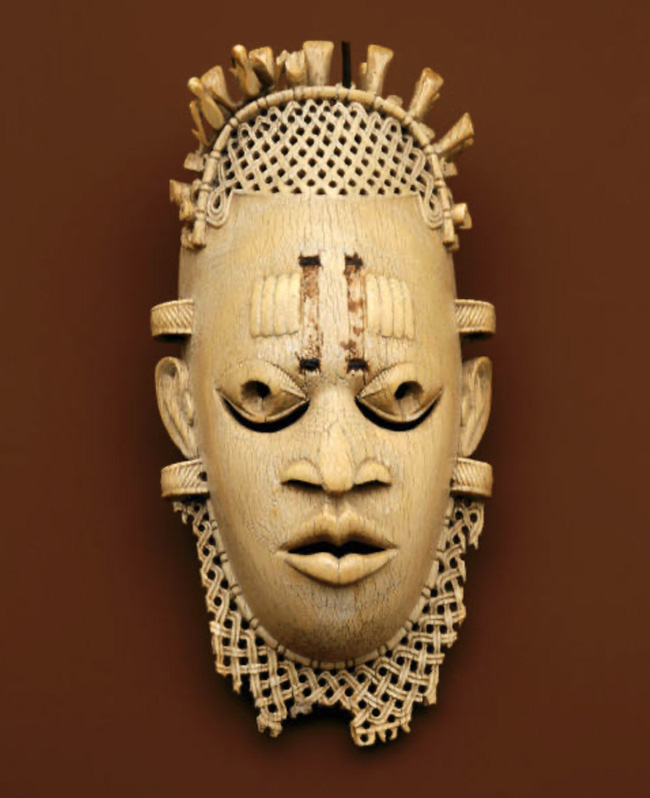
Benin Ivory Festac Benin Plaque Benin Plaque

THE FACE OF AUTHORITY:


The face is not a portrait.
It is a philosophy.
It teaches without speaking.
Calm is not softness.
It is controlled power.
Stillness is strength.
When order lives on the surface,
Chaos cannot enter the centre.
Authority begins in form.

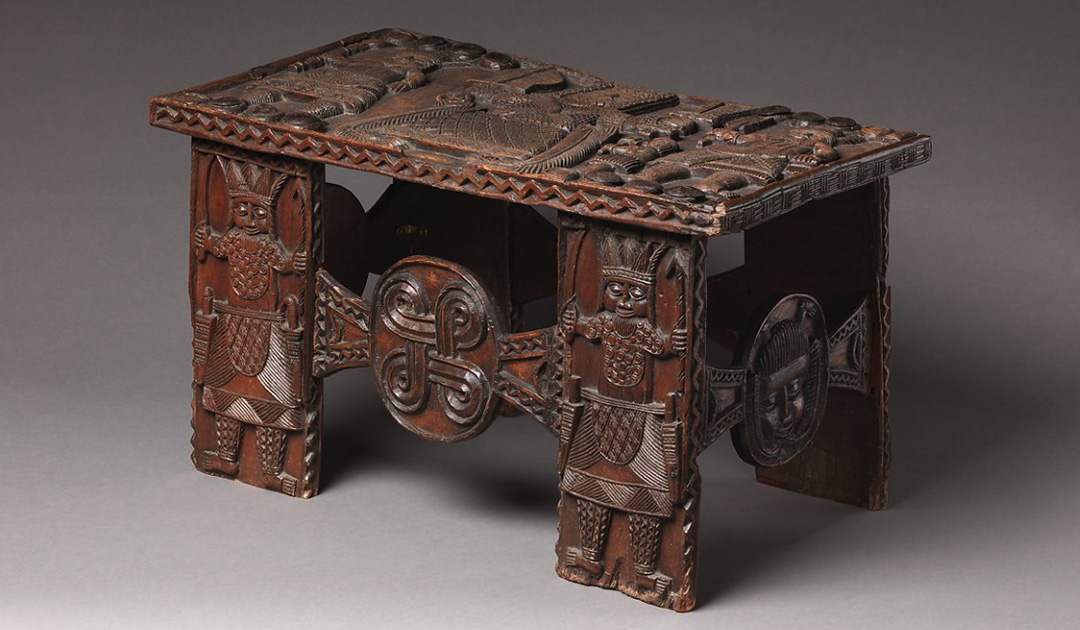
Benin Wooden Stool

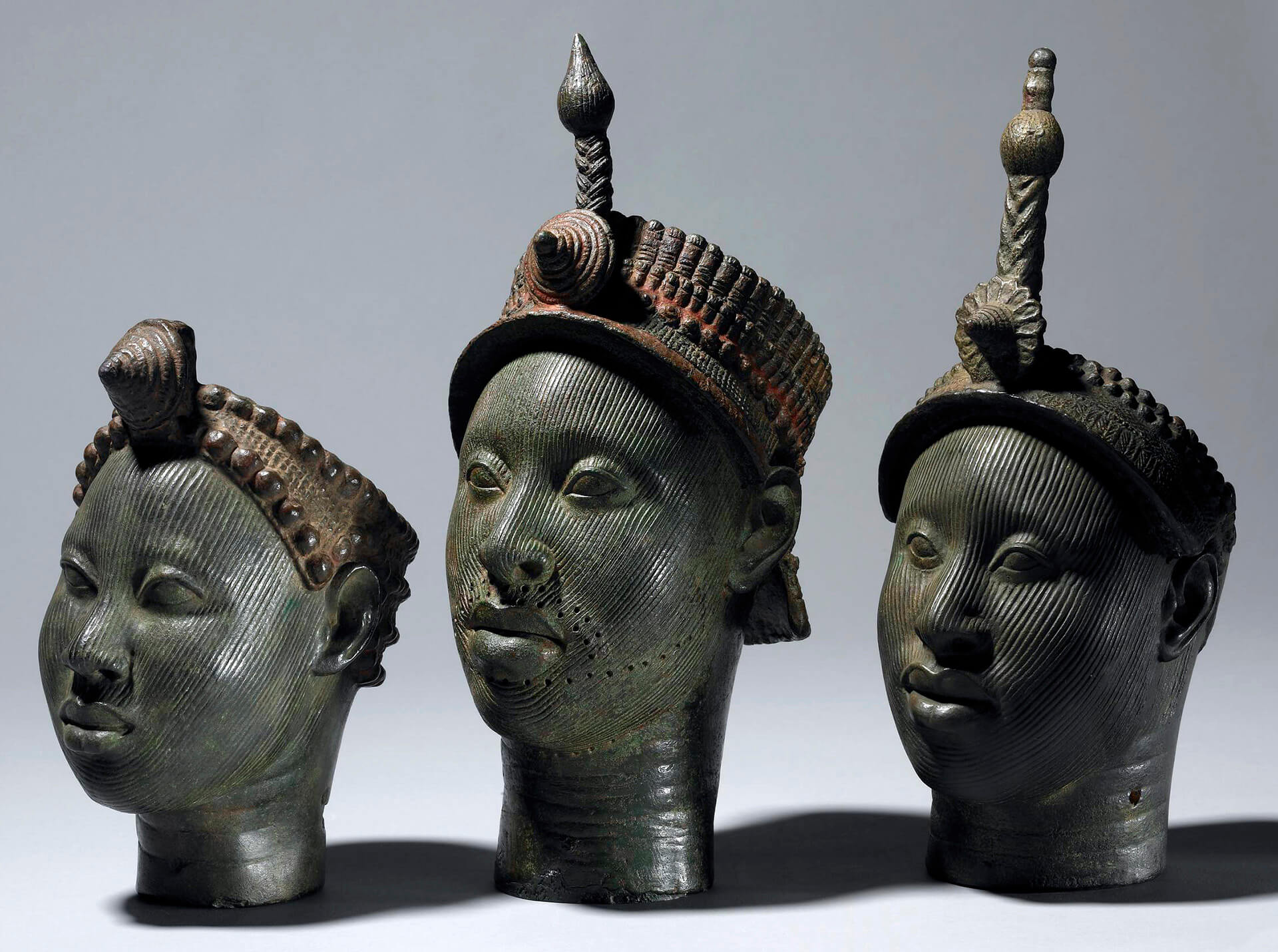
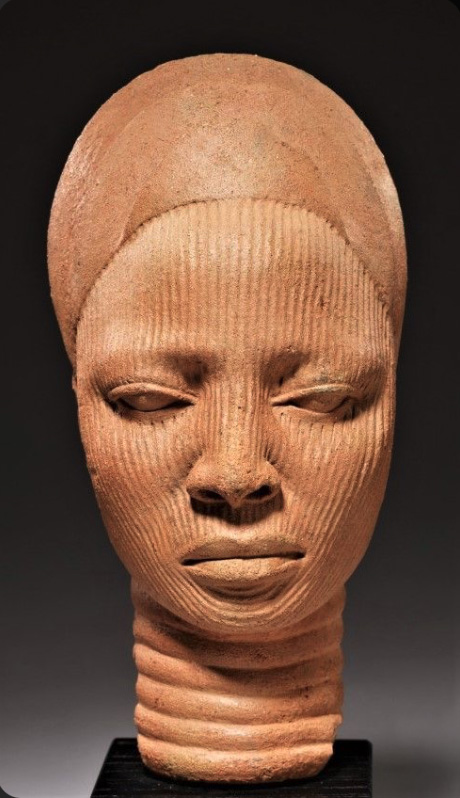
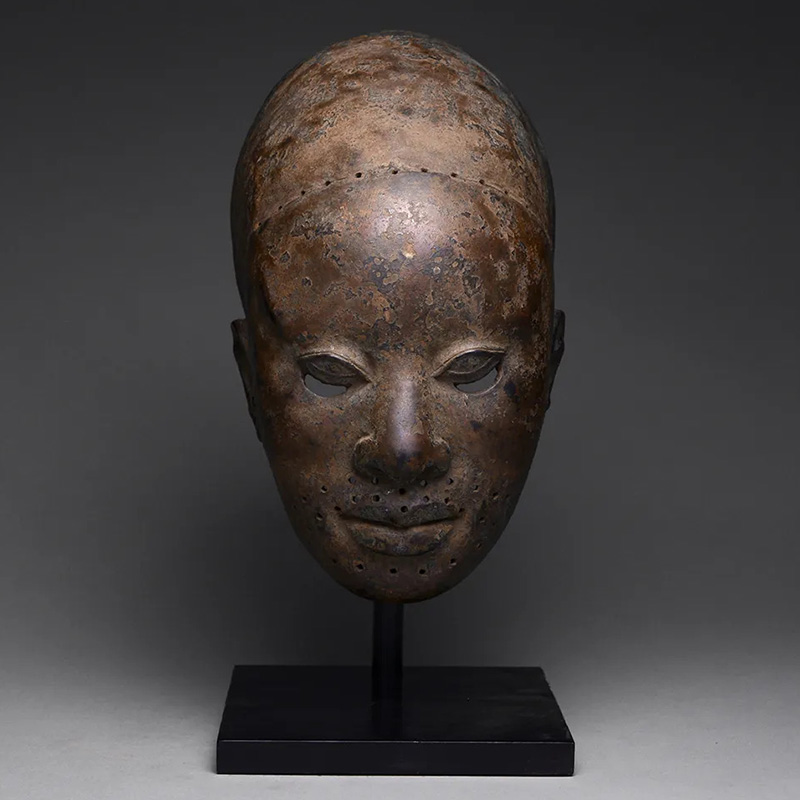
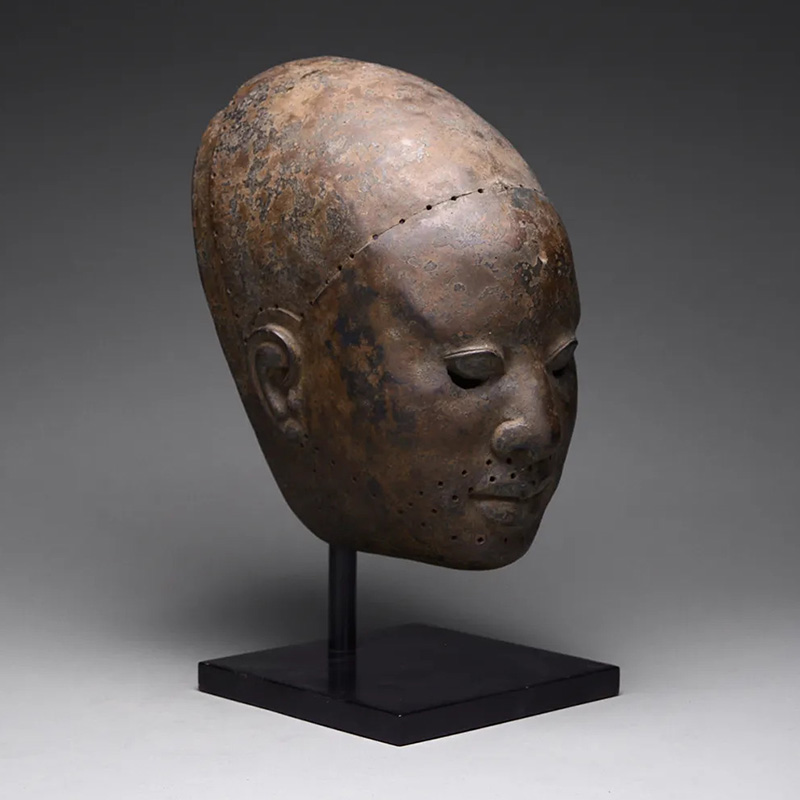
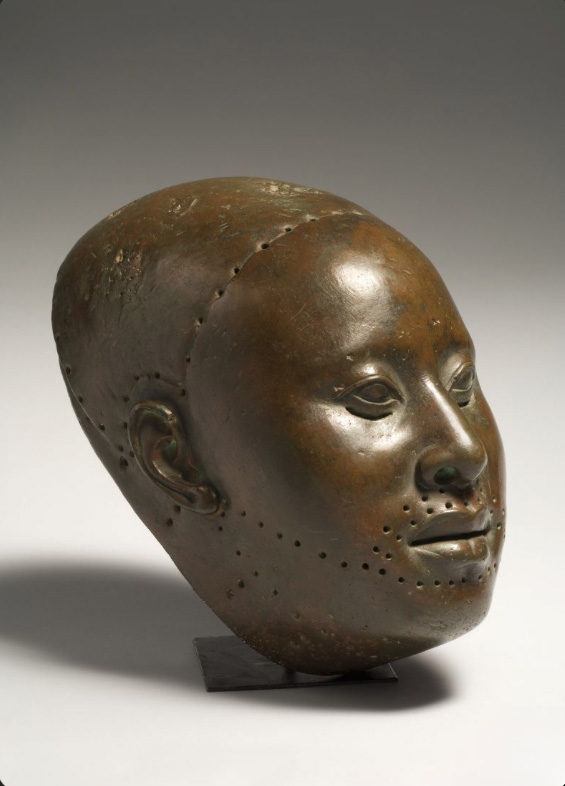
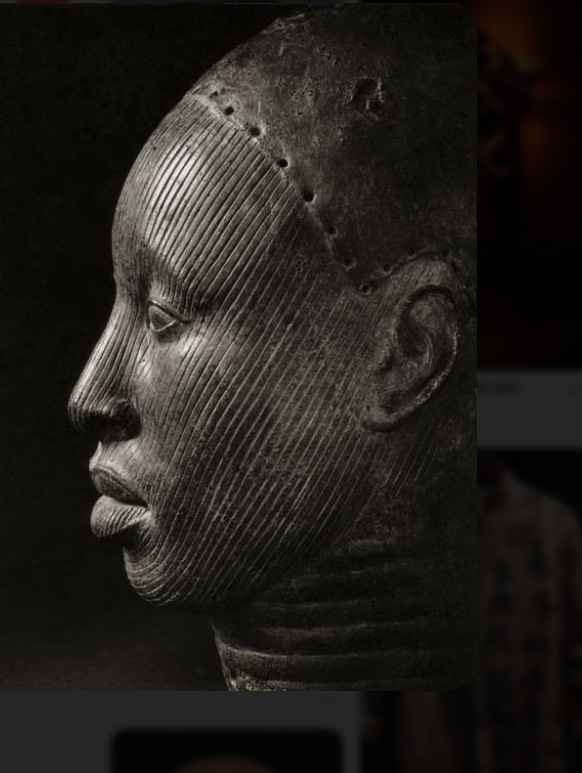
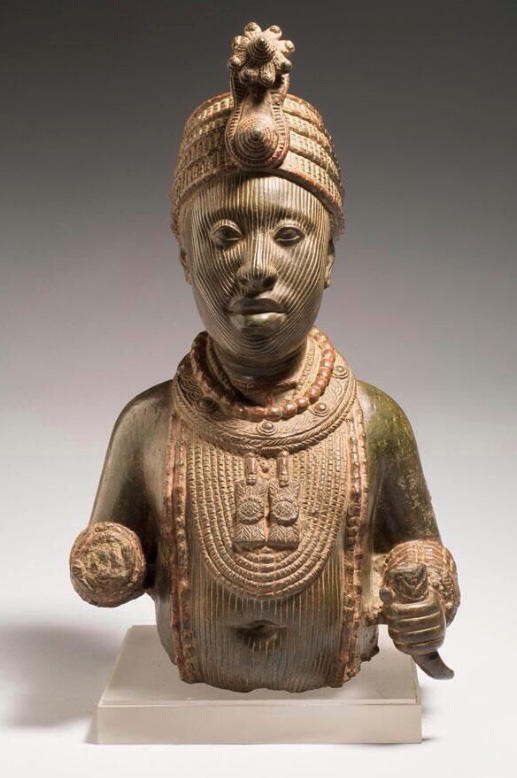
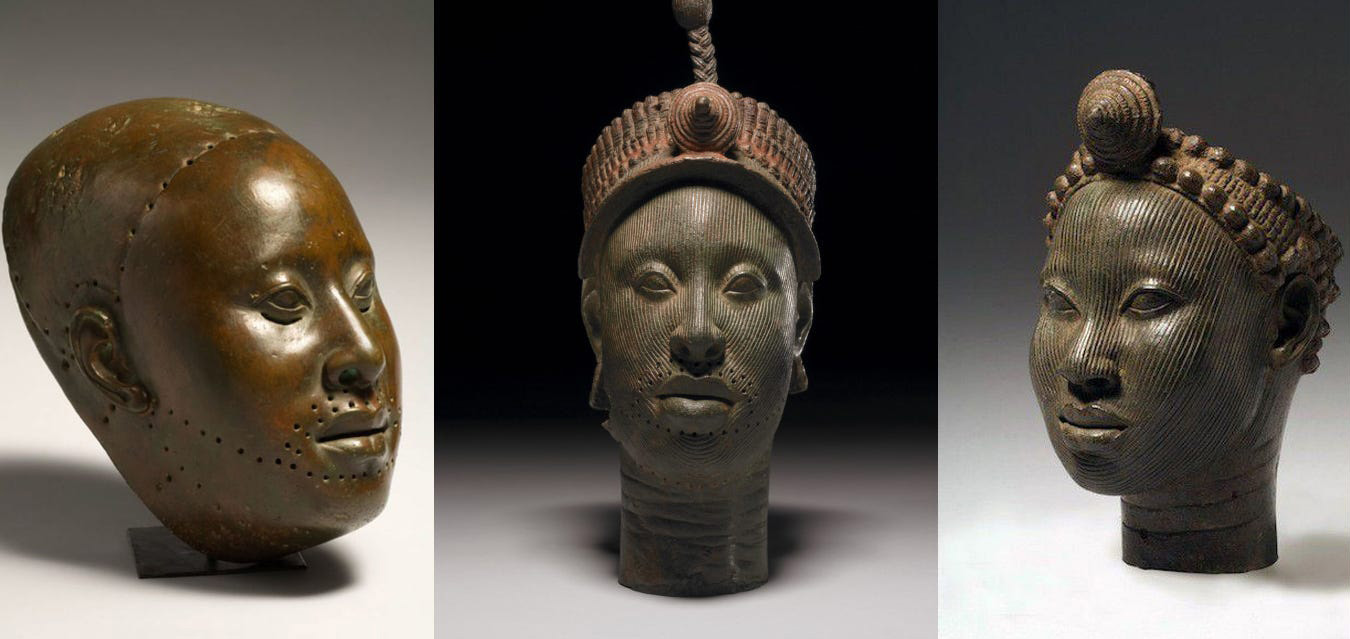
Benin was not the only place with this kind of material knowledge. In Ife, artists produced bronze and terracotta works with remarkable naturalism centuries earlier. The famous Ife heads weren’t merely decorative. They represented sacred kingship and spiritual presence. Their smooth surfaces, balanced forms, and calm expressions embodied ideals of divine rule and moral order. These works gave political authority a visible and lasting form, linking leadership to spiritual beliefs.

Ife Terracotta Female Head Queen Idia Seattle

Across West Africa and beyond, artists developed ways to express identity, status, and spiritual meaning through the human form. The parallel lines on Ife bronzes and terracottas, often seen as decoration, actually represent facial marks that indicate lineage, community, and social rank. In sculpture, these lines become a calm, idealised visual code rather than a direct portrait.

This way of treating the surface does more than show a face; it shapes it. The careful lines soften the light, reduce distractions, and make the face look calm, conveying steady, centred authority. Other African traditions use pattern, texture, and surface order to show refinement, ancestral presence, or sacred status. These formal systems turn figures into enduring symbols. Identity, spirituality, and leadership are built into material form.

OBJECTS OF GOVERNMENT:


These were not mere things.
They were instructions.
Guides for living.
How to lead.
How to belong.
How to remember.
Law was shaped before it was written.
Order was held before it was spoken.
A people who build their values
in bronze, wood and ivory
do not surrender them easily.
What is carved into matter
outlives the moods of men.

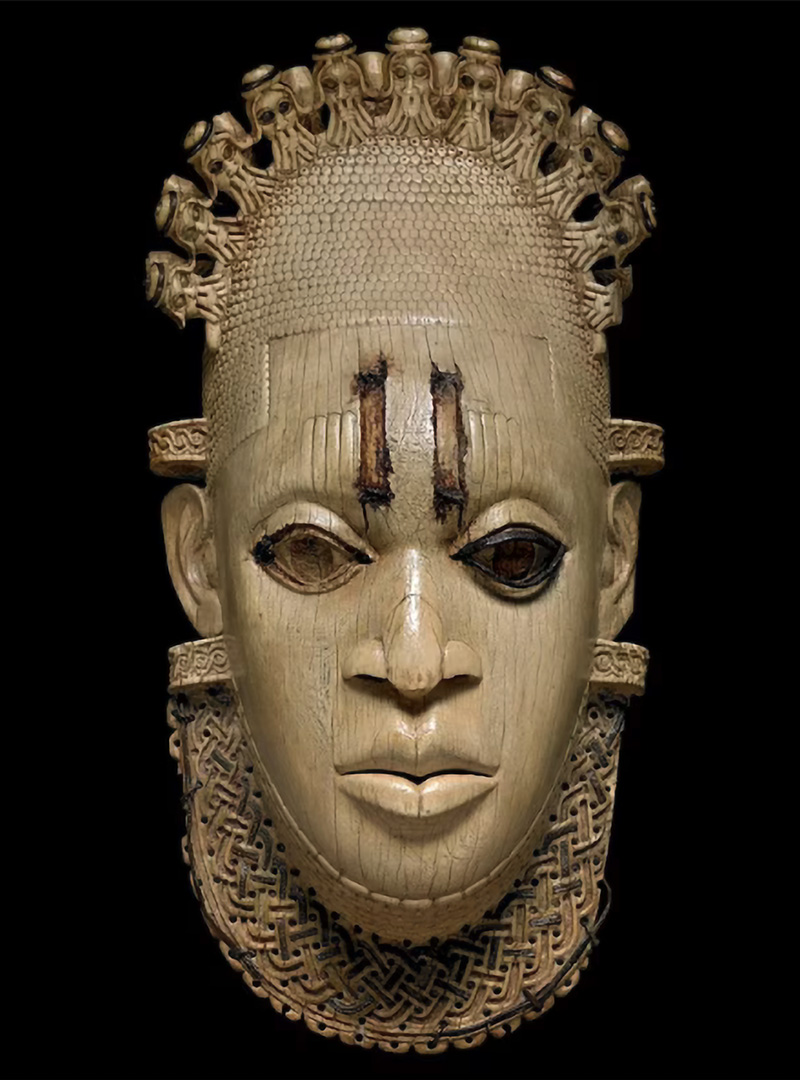
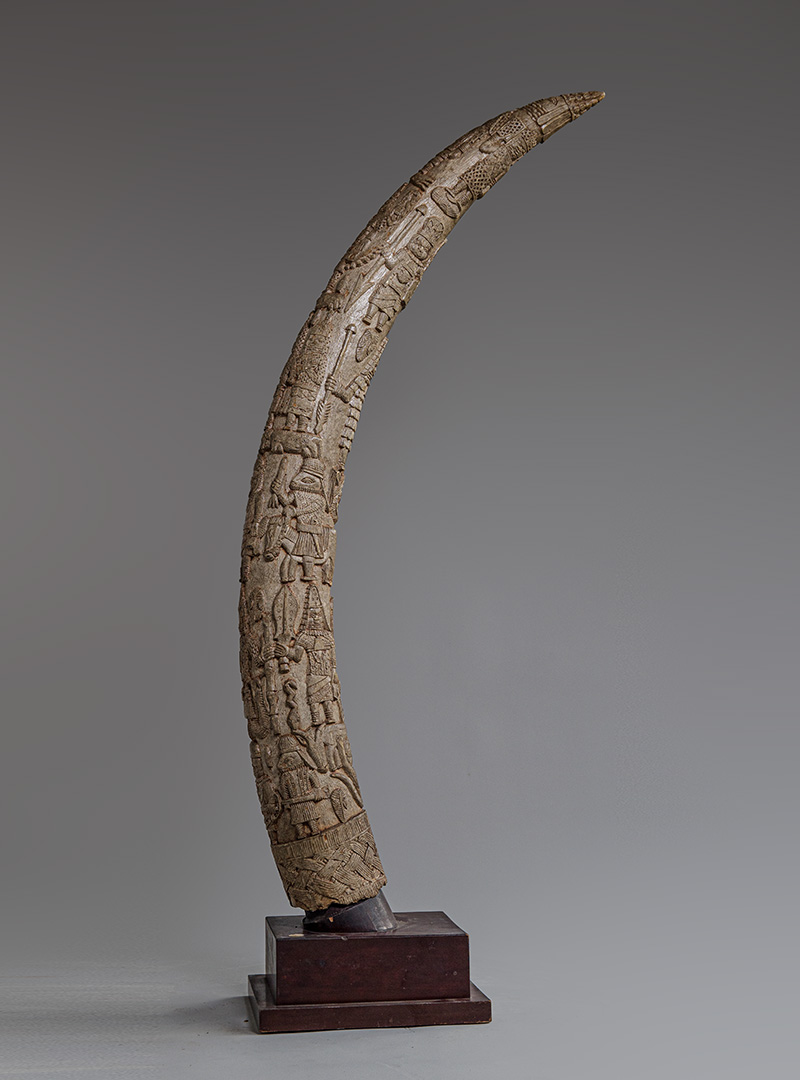
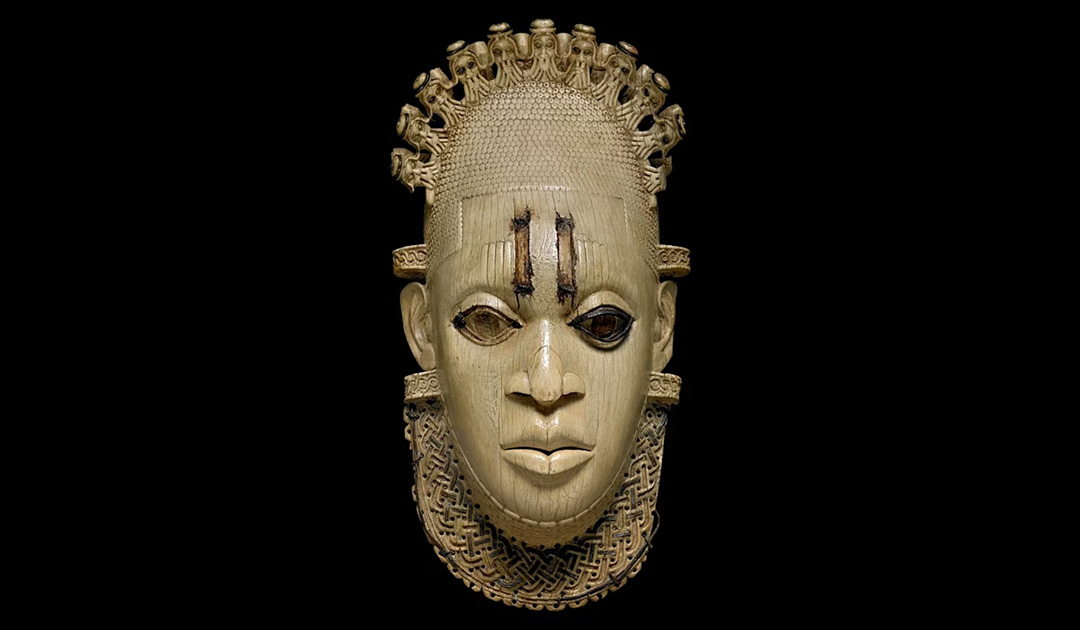
Ivory held similar importance in many African courts. Like bronze in Benin, carved ivory tusks, armlets, and ritual objects were more than signs of wealth. They embodied lineage and sacred authority. Ivory, like bronze, connected the living to their ancestors and linked political order to spiritual life. Its presence in shrines and palaces made memory part of daily life. With ivory, ancestry was always present, and memory was a constant part of experience.

Ivory Tusk Benin

Wood carried the burden of memory throughout Africa. Carved doors, posts, stools, masks, and figures held social knowledge. A carved door could tell a family’s origin story. A stool could represent a chief ’s authority. A mask could embody a community’s moral codes and come to life in ceremonies.

These objects weren’t just separate works of art. They were part of broader systems of education, ritual, and leadership. They were taught through repeated use. They reinforced values through daily use. They made abstract ideas clear and memorable. Their main purpose was to maintain identity, preserve order, and make history difficult to erase.

BEHIND GLASS:


Behind glass, it is called art.
In its home, it was law.
Function turned into display.
A silenced surface.
A separated memory.
A context removed.
The object survived.
The system was broken.
Absence became visible.
Stripped of context,
what remains is admired,
while authority is lost in translation.

There’s a key misunderstanding when memory is separated from the context that gave it meaning. Museums commonly celebrate bronzes, ivories, and carvings for their beauty, but in doing so, they remove these works from the living systems that originally shaped them. To truly understand what these objects mean, we have to look beyond the display case and reconnect them with the lives and communities they once served.

In their original settings, these works were never merely objects to be looked at. Benin plaques adorned palace walls, and commemorative heads anchored ancestral altars. Carved ivories told stories of the universe, and wooden carvings played important roles in rituals and leadership. When placed behind glass and stripped of context, these objects become silent, losing their voices and much of their power.

This change forces us to confront uncomfortable questions. When Europeans looted Benin in 1897, did they take home beautiful sculptures, or dismantle a civilisation’s living archive? The invasion wasn’t simply about stealing objects. It was about breaking a system, tearing away plaques, altars and regalia that held the kingdom’s memory together.

The violence did not end with the loss of the objects themselves. Its effects ran deeper. Objects that once played central roles in governance are now displayed in distant museums behind sterile glass, lifeless. While their beauty and workmanship draw attention, the stories, authority and connections they once embodied remain obscured. What is visible is form, separated from function. Their authority, context and civic function were displaced and severed from the living systems that once made them operative.

ENGINEERED TO LAST:


Memory was designed to survive.
Built with intention.
Shaped for endurance.
Time was not trusted.
Forgetting was anticipated.
Continuity was constructed.
What is shaped with purpose
outlives the age that made it.
That is legacy.
Legacy does not lean on sentiment.
It stands on evidence.

The story of bronze, ivory, and wood is about a philosophy of continuity. Identity endures when it is made real, embedded in daily life, and protected by robust systems. These materials show that lasting memory is deliberately created, not merely a byproduct of culture.

African societies built memory so well that it endures to this day. Their objects still speak, and their symbols still carry meaning. Their systems influence discussions of identity, justice, and belonging. Built memory has weight, shapes spaces, and guides how people act.

Festac

African societies used bronze, ivory and wood with care and purpose to bear this weight. By selecting these materials, they built a culture to last, rooted authority in history, and transformed memory into a powerful force that shaped human life.

Continuity is Designed

Bronze, ivory and wood leave us a heritage that extends beyond museum displays or technical mastery. These materials teach us how societies endure. African civilisations recognised that memory fades quickly if left to chance, but it endures for generations when communities embed it in structures. They refused to separate beauty from leadership or spiritual life from politics. Instead, they combined all these elements so identity would continue through tangible things.

2 Ife bronze head 13th century ce 15th century ce Idia Obalufon

Today, most of those systems have been broken apart, yet even as fragments they still speak. They show us that culture is not sustained by feelings alone but by purposeful design. Authority must have a basis. Lineage must be visible. Memory must take a physical form if it is to withstand the pressures of change.

We live in an age when information grows rapidly, yet meaning can slip away. These traditions offer another perspective. They tell us that continuity is never accidental. It is shaped by repetition, ritual and form, and it survives where memory is shared, practised and anchored in lasting structures.

African societies chose bronze, ivory and wood not only for their toughness and beauty, but also for their ability to carry meaning across generations. By working with these materials, they did more than create objects; they built ways to remember, belong and govern.

Ife Bronze Ooni

This, ultimately, is the deeper inheritance. It is not only about the objects themselves but also the wisdom that shaped them. The lesson is clear: for a society to survive, it must design continuity with care, and to do so, it must give memory a form that time cannot easily erase.


Oriiz is a Griot, Curator, Designer, Culture Architect, and Strategist who makes African history portable and accessible to everyone: those who know, those who question, and those who never thought to ask. He connects 8,000 years of knowledge with the present.

oriiz@orature.africa IG – @oriizonuwaje